
About
A place to tell your own story
Why OPAF
Because their voices matter
31
31 peoples presented
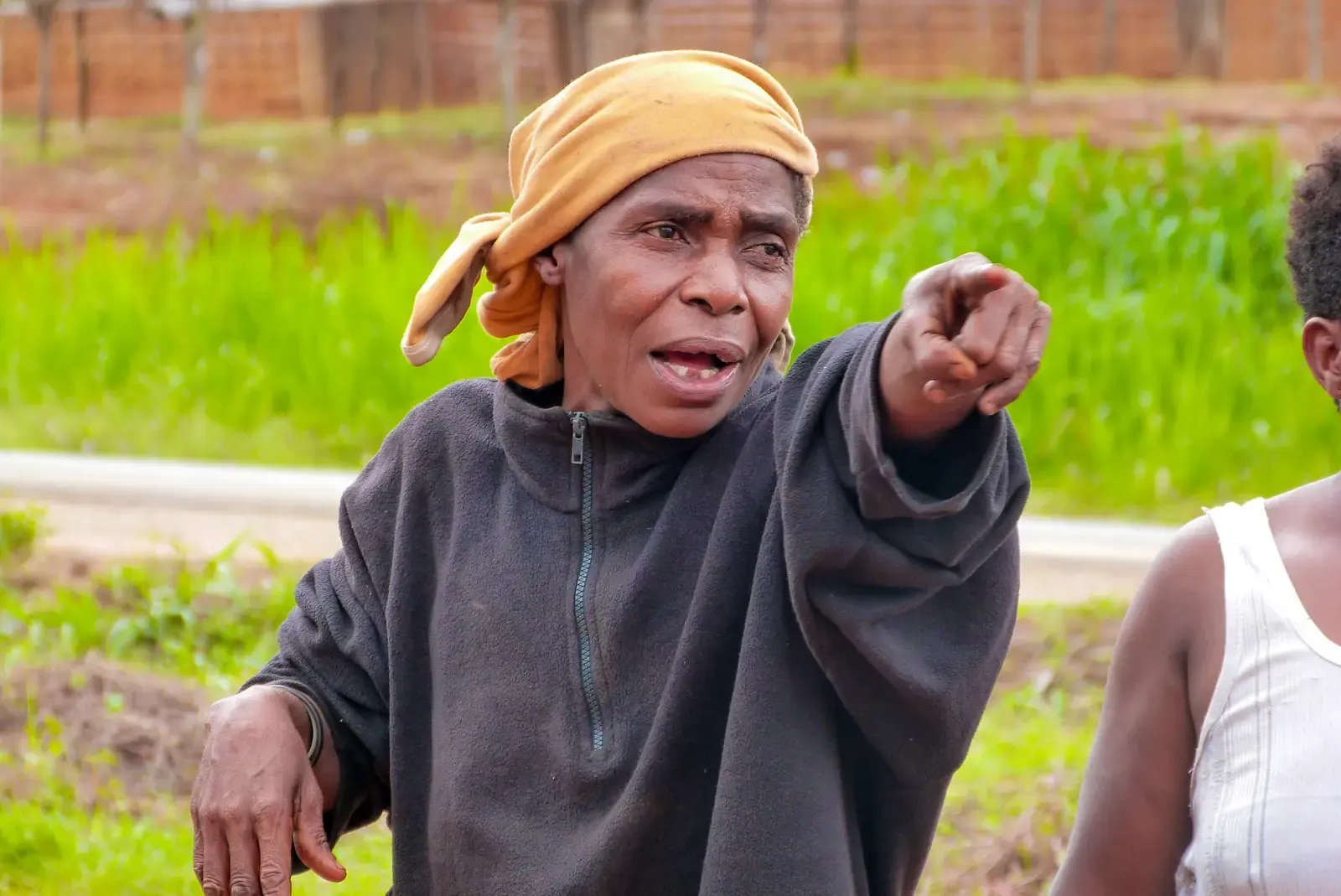
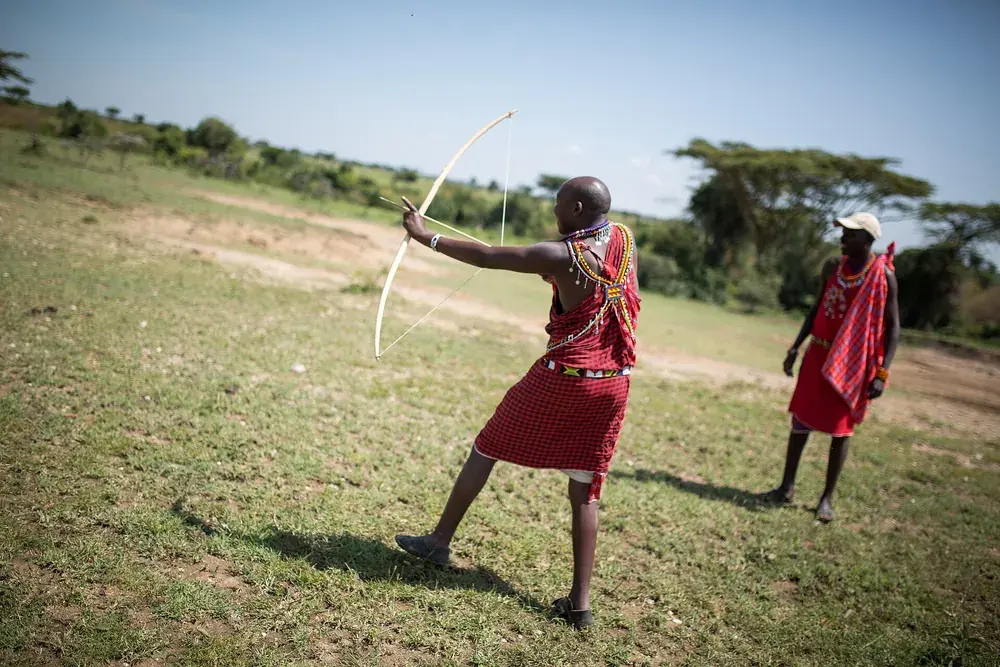
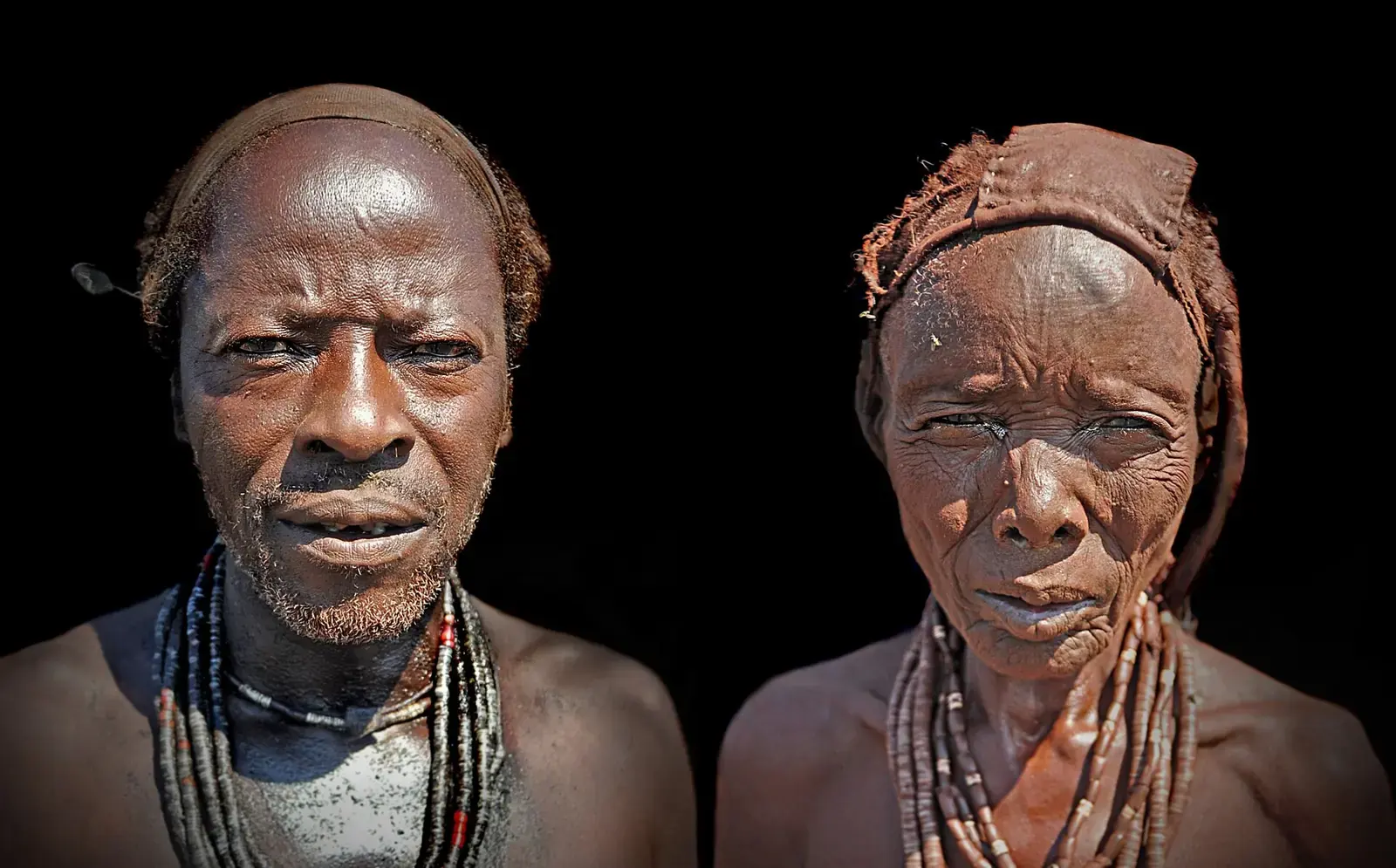
From the forests of the Congo Basin to the Kalahari desert, peoples live by knowledge passed down for generations. Their stories are often told by others, their lands contested, their languages threatened.
OPAF gives them a tool of their own: a space where they publish what they want to show, protect what must stay among them, and find other communities facing the same struggles.
What you can do
Everything a community can do on OPAF
- 01
Tell
Stories, photos, videos and audio recordings, to keep memory alive and share it.
- 02
Map
Territories, forests, rivers and places of memory, on a map. Sacred places stay protected.
- 03
Gather
Communities for each people, discussions, messages and meetups.
- 04
Pass on
Language learning and a library of books, reports, videos and podcasts.
- 05
Understand
People profiles and articles written from CED’s Mapping of Indigenous Peoples of Africa.
Ask Jengui
OPAF’s AI assistant answers questions, with its sources.
Our commitments
What will not change
Free for life
OPAF is and will remain entirely free and non-commercial: no subscription, no ads, no paid content.
Knowledge stays with communities
What you publish belongs to you. A community can ask for any content about it to be removed.
The sacred is protected
Stories reserved to members of a people, sacred places without a public location: privacy is a right.
Your data is not for sale
No data is sold or used for advertising. You can export or delete everything.
OPAF is published by the Centre pour l’Environnement et le Développement (CED), an association under Cameroonian law founded in 1994. CED defends the rights of local communities and indigenous peoples over their lands and forests, and a fair and sustainable management of natural resources.
OPAF’s people profiles and articles are based on CED’s Mapping of Indigenous Peoples of Africa, with sources. The platform was designed by Otopcy with CED’s communication department (designer and developer: Giovanny Engamba).
Join the community
Stories, a map of places, discussions and a library: it all happens in the OPAF app, with a free account.