Indigenous voices of Africa
From the forests of Cameroon to the Kalahari desert, peoples live, sing, fight and pass things on. OPAF gives them a place to tell their own stories, and gives you a way in to listen.
What we believe
When an elder dies, a library burns. On OPAF, the Indigenous peoples of Africa keep their stories, their languages and their places, and decide for themselves what they share with the world.
Understand
Indigenous, in Africa: what does it mean?
- 01
Not the “first occupants”
A marginalised people whose culture and survival depend on a territory and a way of life, and who identify as such.
- 02
Two broad families
Forest and Kalahari hunter-gatherers, and nomadic herders of the savannas and the desert.
- 03
Recognised rights
The African Commission on Human and Peoples’ Rights has recognised them since 2003, and courts have ruled in their favour.
31 peoples, one continent
Forest hunter-gatherers, savanna herders, desert nomads, river fishers. Keep scrolling to meet them.
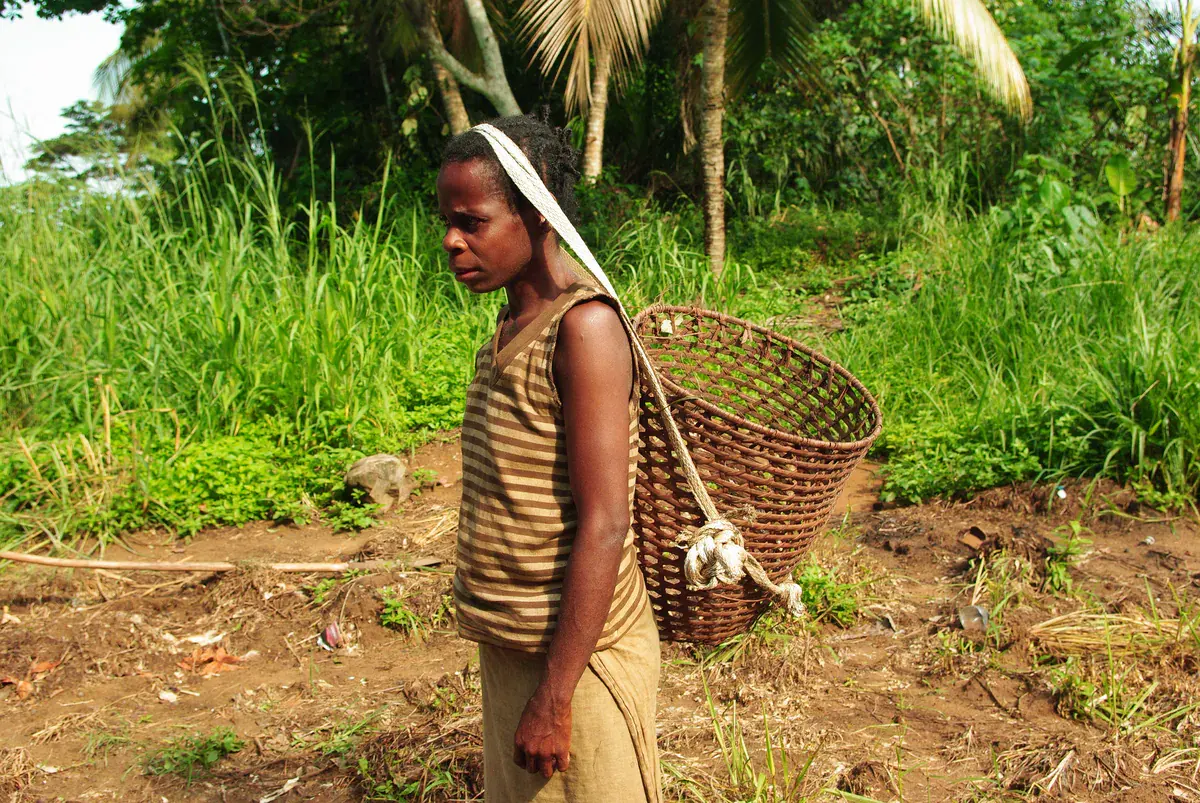
- 01BakaCameroon, Gabon, Congo - BrazzavilleHunter-gatherers of the forest of south-eastern Cameroon, the largest indigenous forest people in the country. Hunting, gathering (wild yams, honey), fishing, and increasingly farming and wage labour for Bantu neighbours. They alternate between forest camps (honey season, major hunts) and roadside villages. The Baka speak an Ubangian language, which sets them apart from most other forest peoples of the Congo Basin.Read the profile
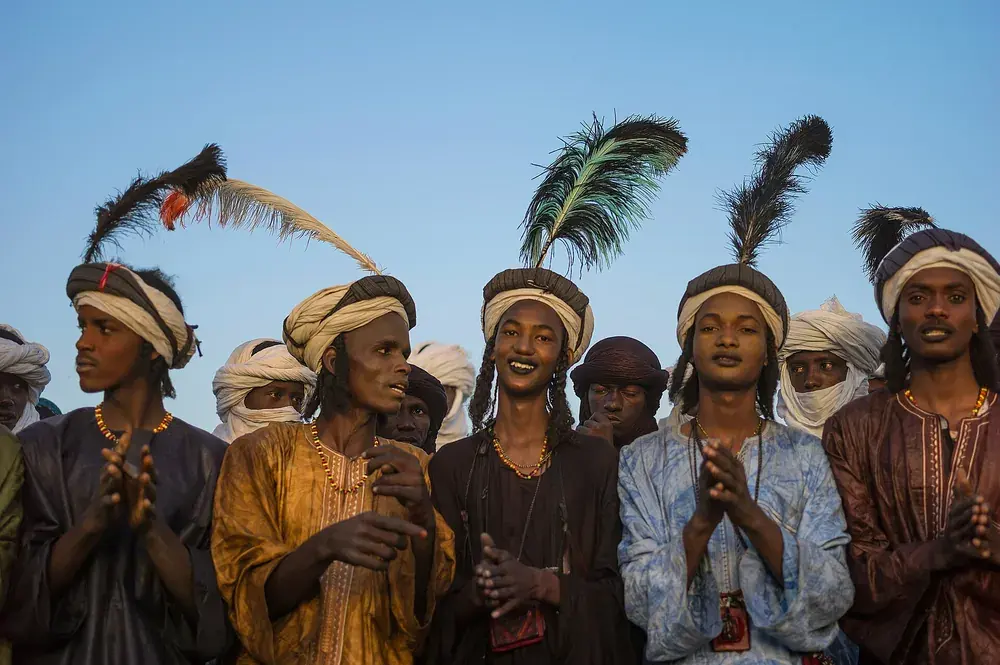 02MbororoCameroon, Central African Republic, ChadTranshumant cattle herders who arrived in Cameroon at the beginning of the 20th century (Wodaabe, Jafun and Galegi subgroups), recognised as indigenous by the African Commission.Read the profile
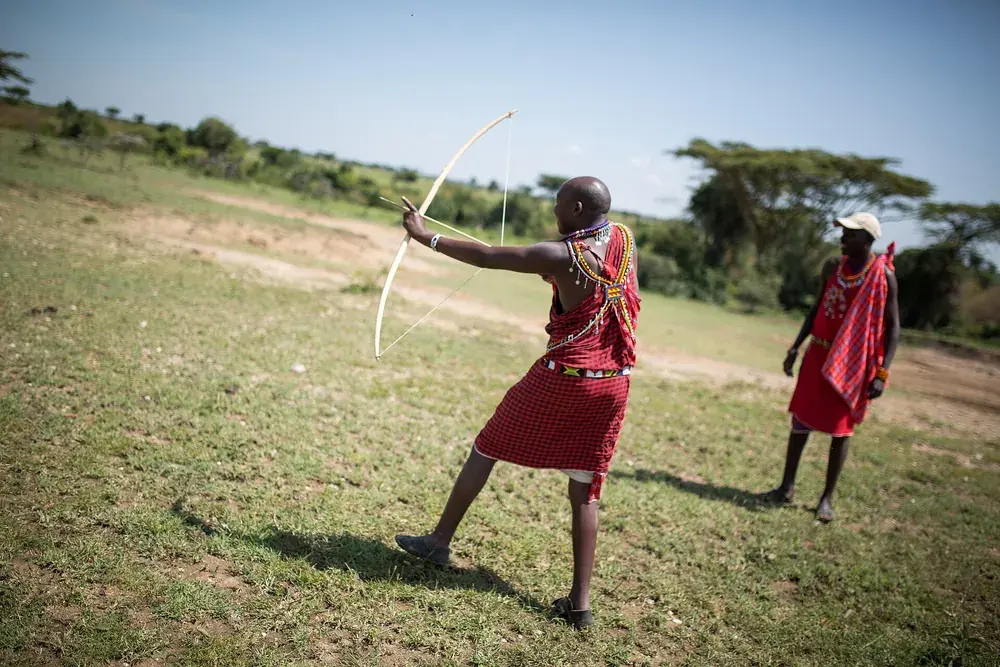 03MaasaiKenya, TanzaniaTranshumant pastoralists organised into 14 sections (Kisongo, Purko, Loita…), age sets (moran, elders), ritual authority of the laibon.Read the profile
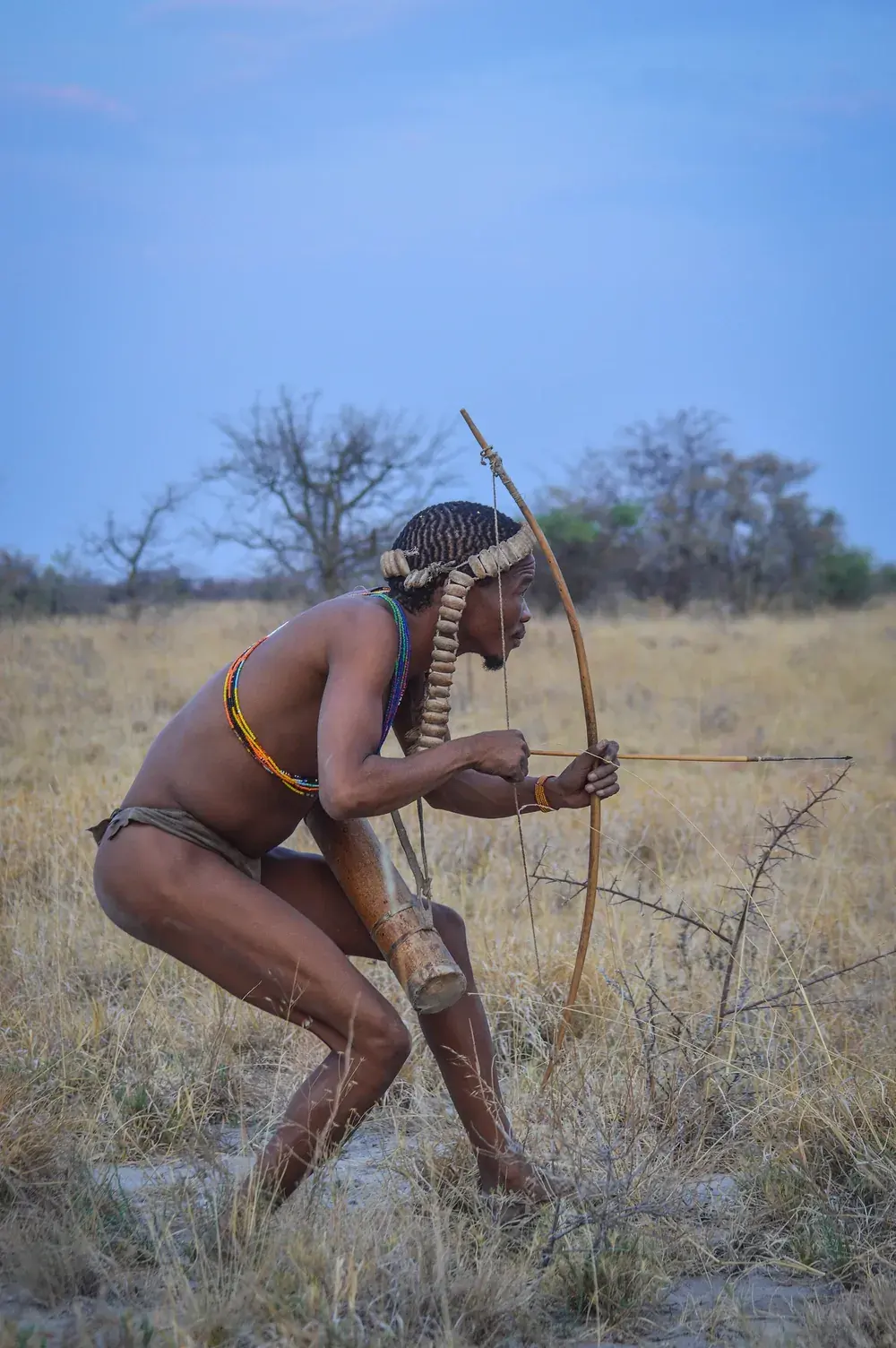 04SanBotswana, Namibia, South Africa, AngolaHeirs to Africa's oldest cultural continuity (Tsodilo: 4,500 rock paintings, 100,000 years of occupation).Read the profile
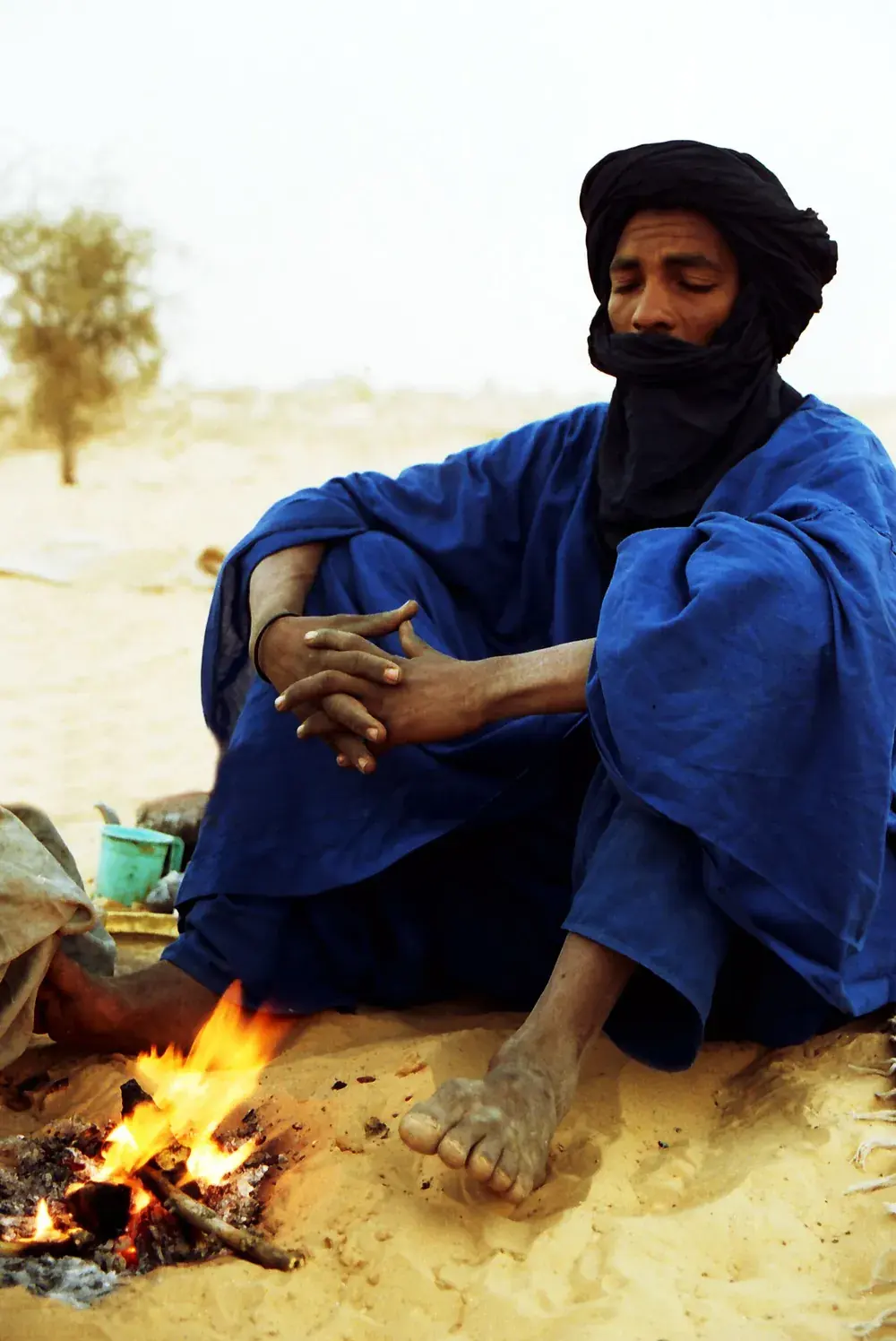 05TouaregNiger, Mali, Burkina Faso, Algeria, LibyaCamel-herding nomads of the Sahara, a stratified society, matrilineal succession of chiefs, men's veil (tagelmust).Read the profile
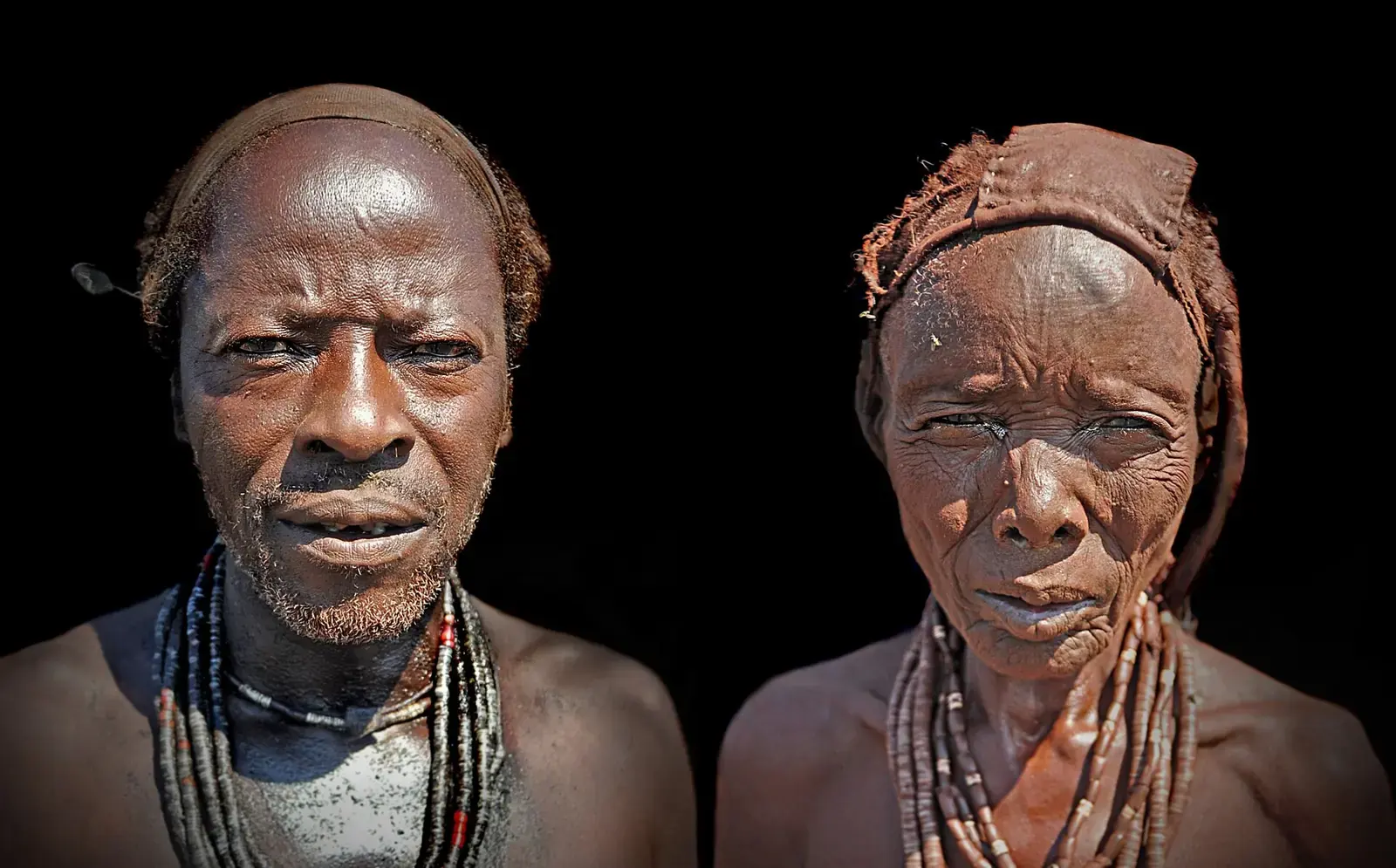 06HimbaNamibia, AngolaSemi-nomadic pastoralists of the Kunene; the women cover themselves in otjize (ochre and butter).Read the profile
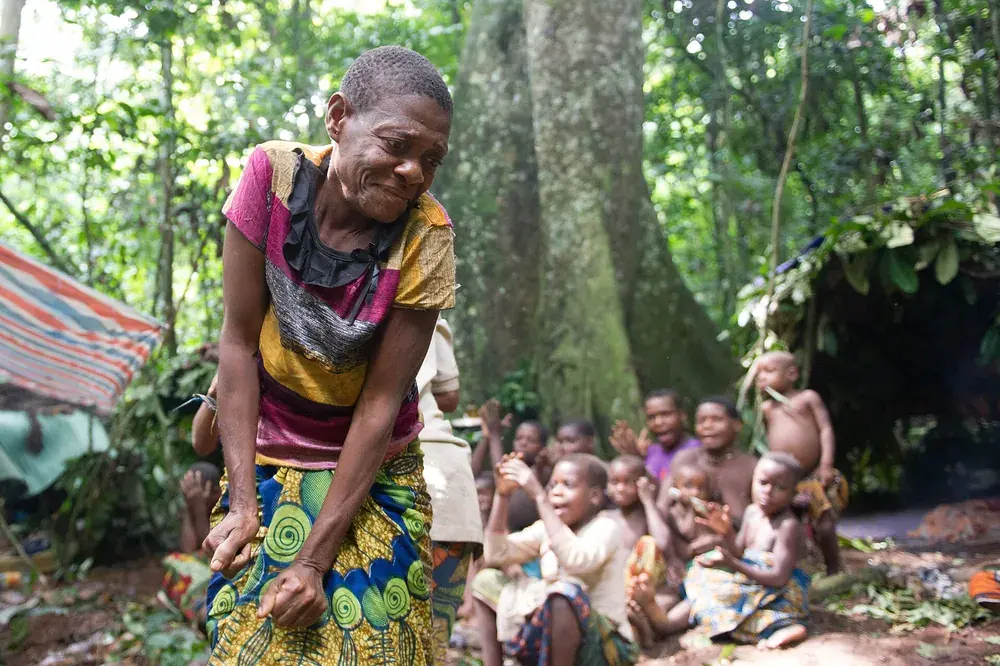 07AkaCentral African Republic, Congo - BrazzavilleHunter-gatherers of the forest of south-western Central African Republic and northern Congo, notably around the Dzanga-Sangha reserve. Net hunting, gathering, honey, seasonal work for Bantu neighbours and logging companies.Read the profile
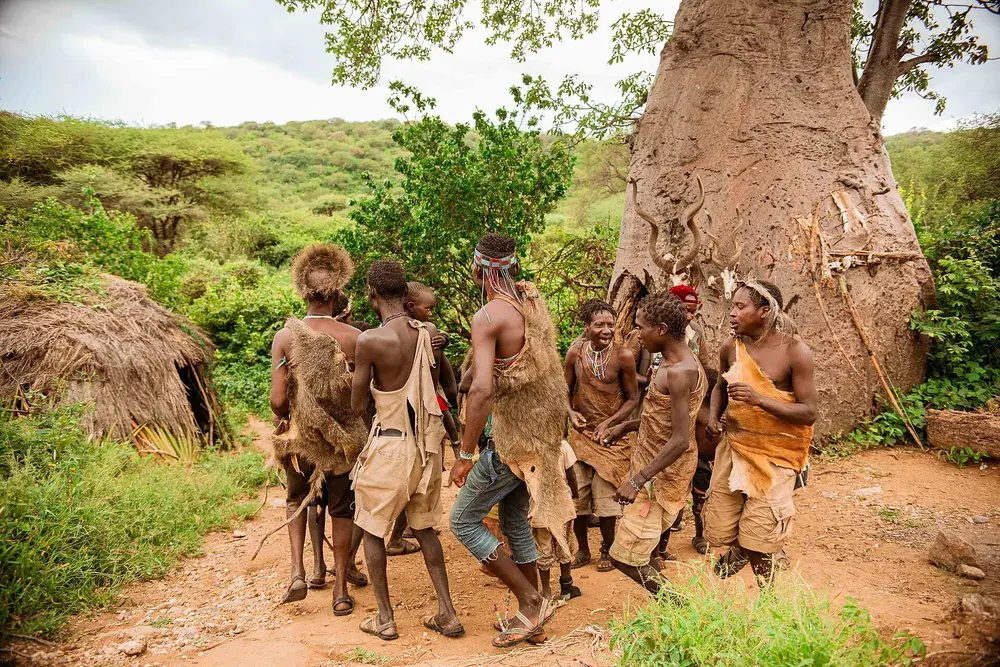 08HadzabeTanzaniaThe last full-time hunter-gatherers in East Africa: bow and arrows, honey, tubers, baobab.Read the profile
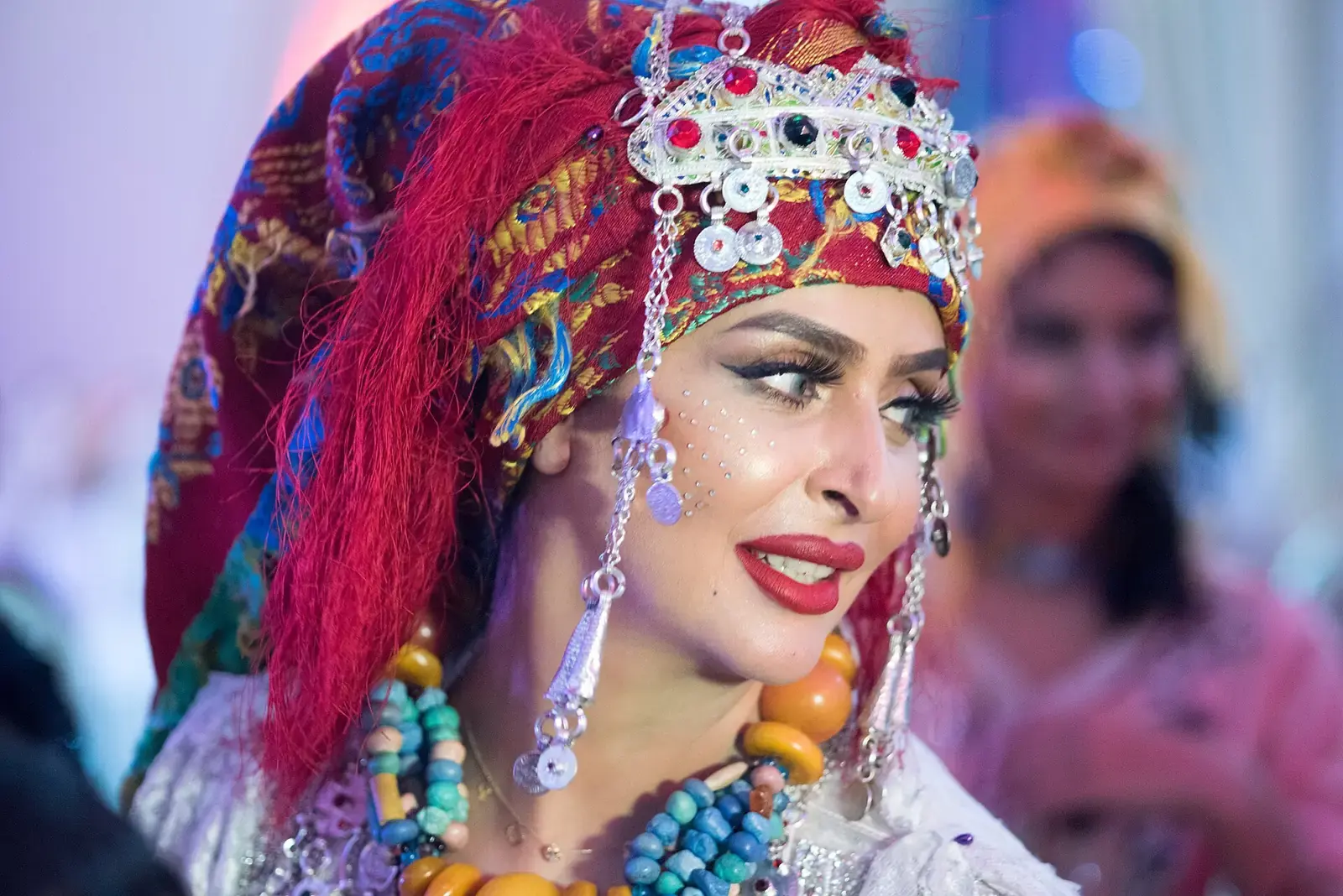 09AmazighsMorocco, Algeria, Tunisia, Libya, EgyptHistoric inhabitants of all of North Africa, marginalised by the Arabisation policies of the independent states.Read the profile
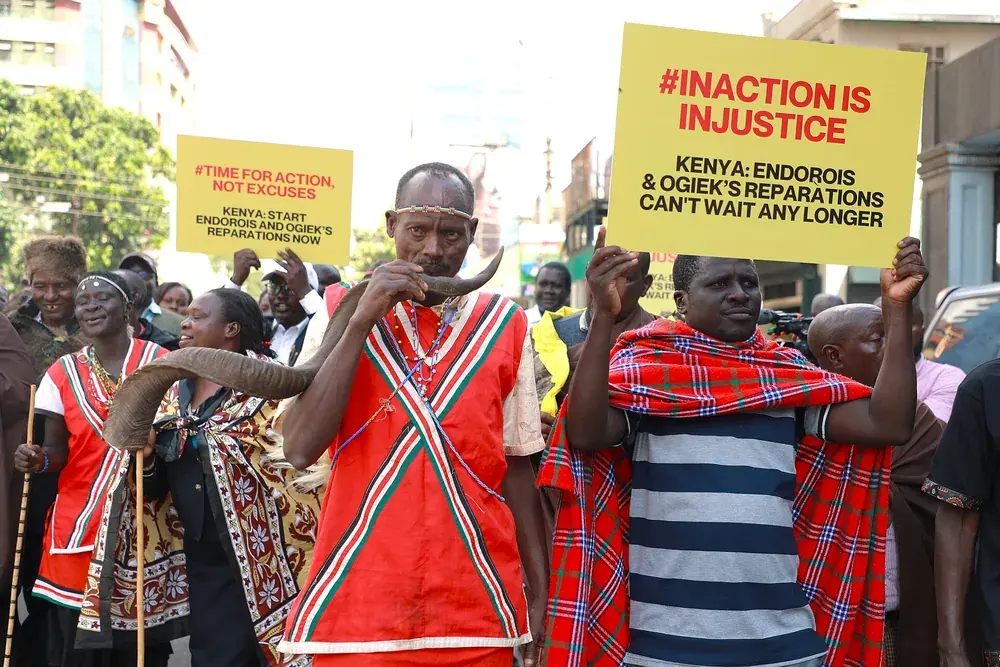 10OgiekKenyaHunter-gatherers and beekeepers of the Mau Forest, Kenya's largest water tower.Read the profile
 And many more peoples to meetSee all 31 peoples
In numbers
An atlas that keeps growing
Figures calculated from the content actually published on OPAF.
- peoples documented
- 31
- countries
- 33
- photographs
- 169
- films, videos and podcasts
- 40
- members on the app
- 10
Where the peoples live
OPAF’s peoples on the map
Each dot marks a people or a place documented by the communities. Positions are rounded, and sacred sites never appear here.
- documented peoples
- 30
- countries represented
- 33
- mapped places
- 19
Countries represented
- Algeria
- Angola
- Botswana
- Burkina Faso
- Burundi
- Cameroon
- Central African Republic
- Chad
- Congo
- Democratic Republic of the Congo
- Djibouti
- Egypt
- Eritrea
- Ethiopia
- Gabon
- Guinea
- Kenya
- Libya
- Mali
- Mauritania
- Morocco
- Namibia
- Niger
- Nigeria
- Rwanda
- Senegal
- South Africa
- South Sudan
- Sudan
- Tanzania
- Tunisia
- Uganda
- Western Sahara
Ways of life
What these peoples have to tell the world
From one end of the continent to the other, behind very different cultures, five ideas keep coming back.
Read the article- 01
Land is a relative
No one owns the forest, the desert or the lake: you are part of it, and you answer for it.
Where you see it : Jengi, the Baka forest spirit; the Himba sacred fire; Lake Bogoria of the Endorois
- 02
Sharing is the law
Meat, honey and milk circulate according to strict rules. Hoarding is shameful.
Where you see it : The San hxaro; Baka and Hadzabe sharing; Fulani hospitality
- 03
Equality and consensus
No hereditary chief: decisions are made in assembly, and humour keeps pride in check.
Where you see it : The Borana gadaa; the Amazigh tajmaât; the Toubou derde
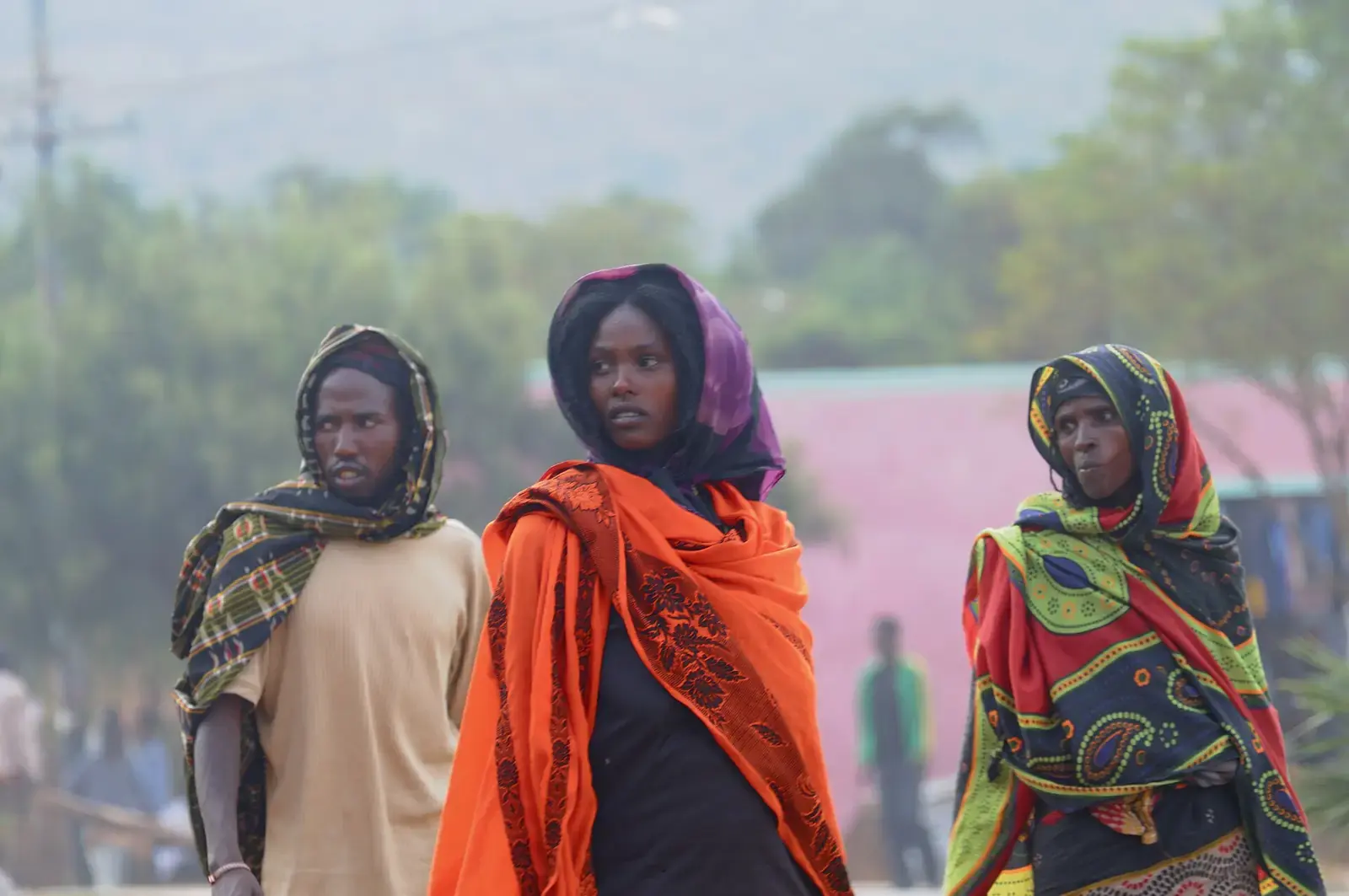 04
Mobility as wisdom
Following the seasons, the grass and the water means exhausting nothing. Borders are an idea from elsewhere.
Where you see it : Fulani and Maasai transhumance; Tuareg nomadism; Baka camps
- 05
Song as an archive
Knowledge travels through song, dance and storytelling. These are institutions, not pastimes.
Where you see it : Aka polyphonies; the Tuareg imzad; Amazigh ahellil, recognised by UNESCO
News
Read, understand, make up your mind
Articles written from CED’s Mapping of Indigenous Peoples of Africa.
All the news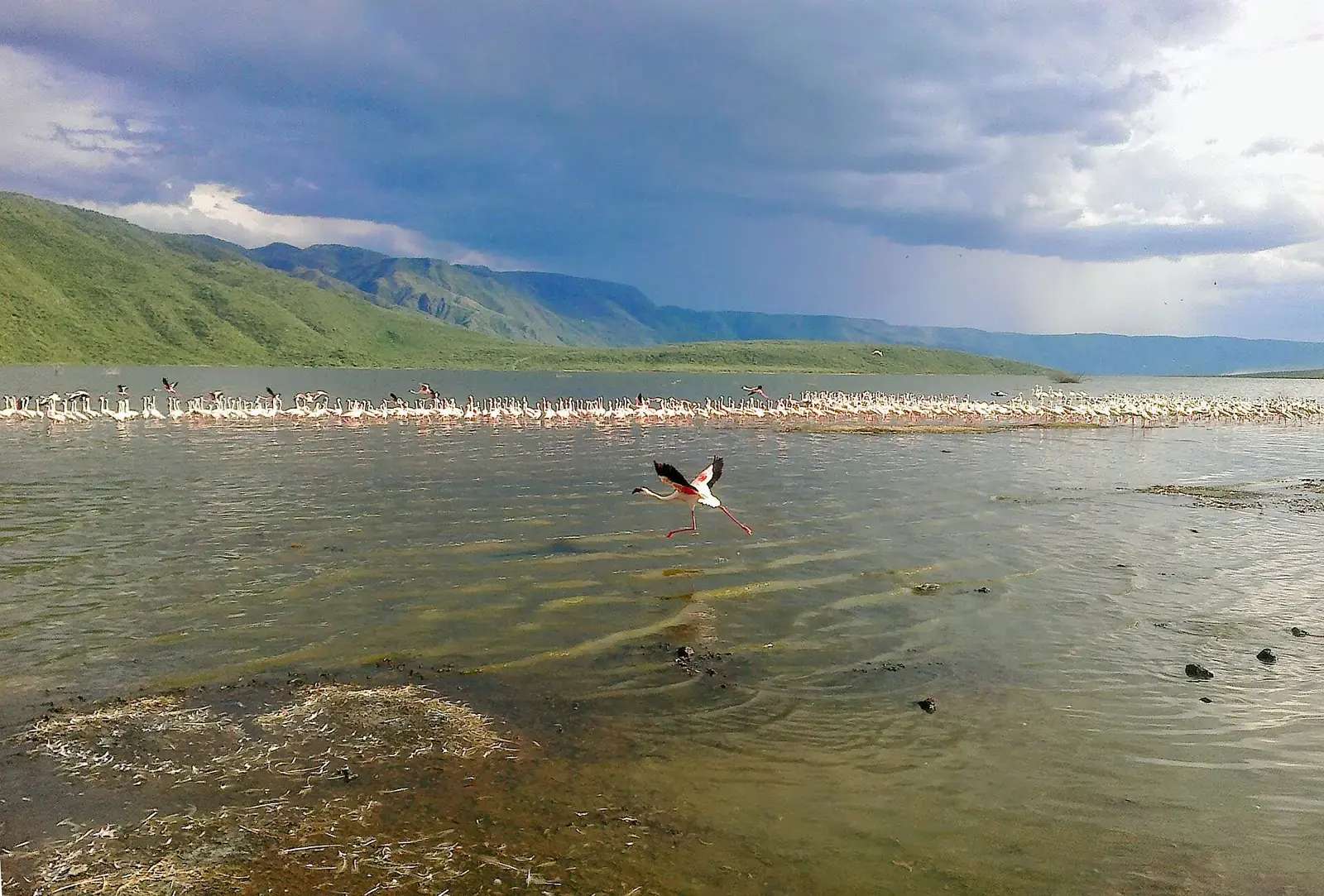
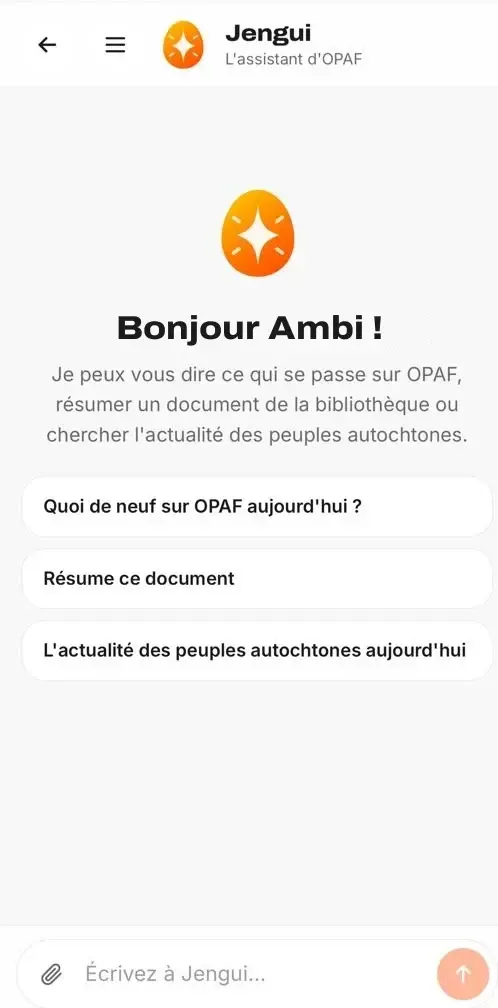
Jengui, the AI of indigenous peoples
Jengui knows the people profiles, the library and what is shared on OPAF. Ask a question and it answers with its sources, in French or English.
- Answers about peoples, their rights and their lands
- Summarises a document from the library
- Writes the daily brief every morning
The app
OPAF as it really is
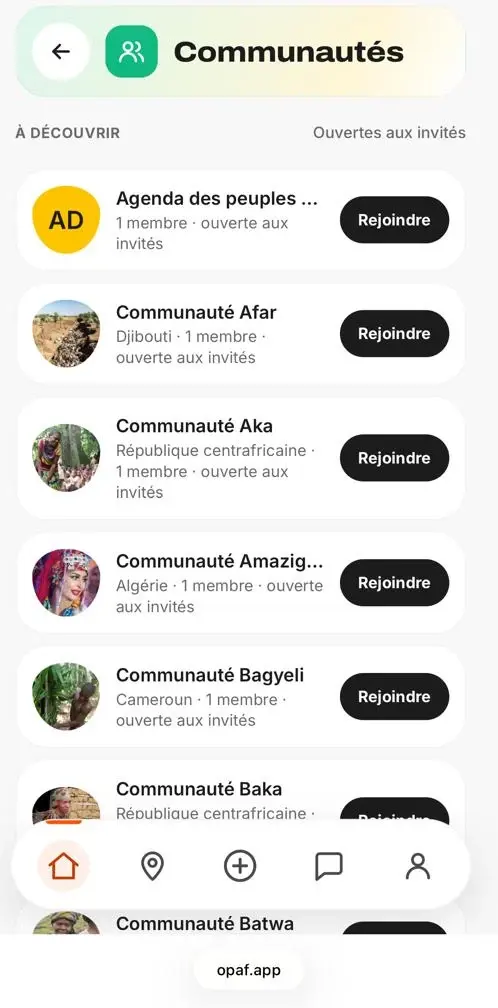
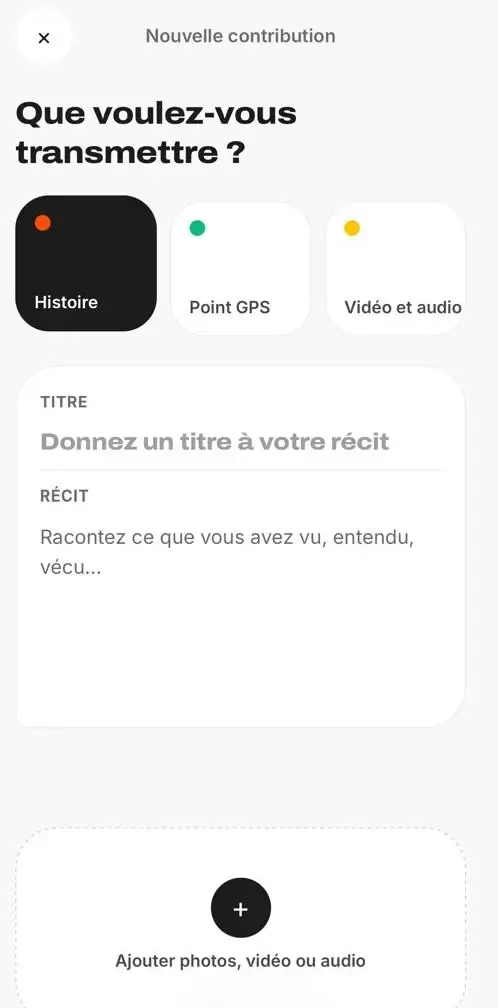
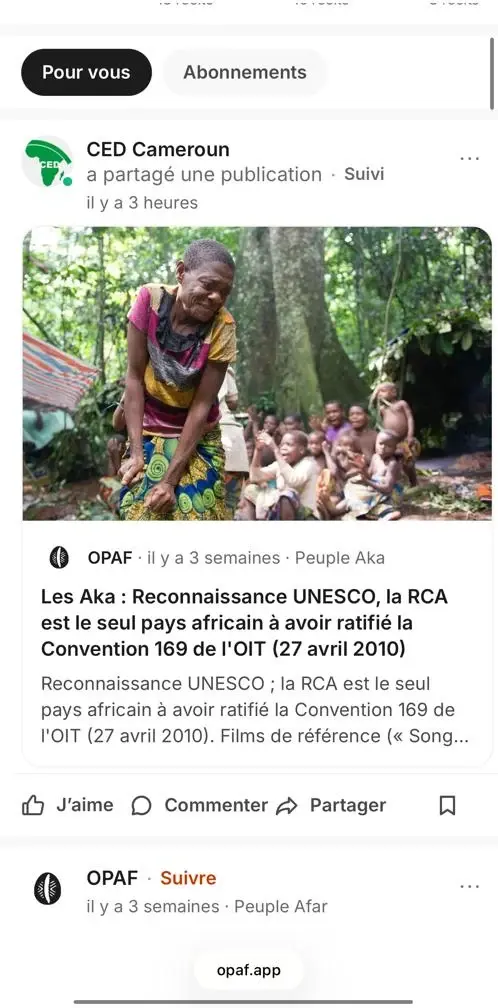
These are real screenshots of the app, taken with a member account. The same app works on phones and in a computer browser.
Swipe the phone to move from one page to the next.
Your stories remain yours
No data is sold. Each story belongs to the community that published it, which decides what is public, reserved or removed. Full export of your data at any time.
Read the privacy policy →- 100 %
- community ownership
- 0
- data sold
- 1 click
- to export everything
Is OPAF free?
Yes. OPAF is free for members of indigenous communities, with no limit on stories. The project is run by the Centre for Environment and Development (CED) and its partners.
How do I sign in?
With your Google account, or with your e-mail address: a 6-digit code is sent to you each time. There is no password to remember.
Does it work without network?
Partly: stories you've already opened and the map remain readable offline, and the app syncs again as soon as the network is back.
Can I join a community that isn't mine?
Yes, if it is open to guests. Each community decides what it shares with other peoples. You can also take part in inter-community exchange groups.
I'm not indigenous, can I use OPAF?
OPAF is designed first by and for indigenous peoples. Allies, researchers and partners can discover public spaces and be invited by a community.
In which languages?
The interface is available in French and English. You can post and talk in any language; interfaces in indigenous languages are being prepared.
Who owns the stories?
The community that published them. No data is sold or reused without consent. You can export your data or remove your contributions at any time.
Where can I download OPAF?
OPAF is coming to the App Store and Google Play. You can already open it on the web, from your phone or computer browser.
You are the voice of your people
Download OPAF for free.