Endorois, Ogiek, Batwa, San: for twenty years, Indigenous peoples have won historic victories. Their land rarely comes back.
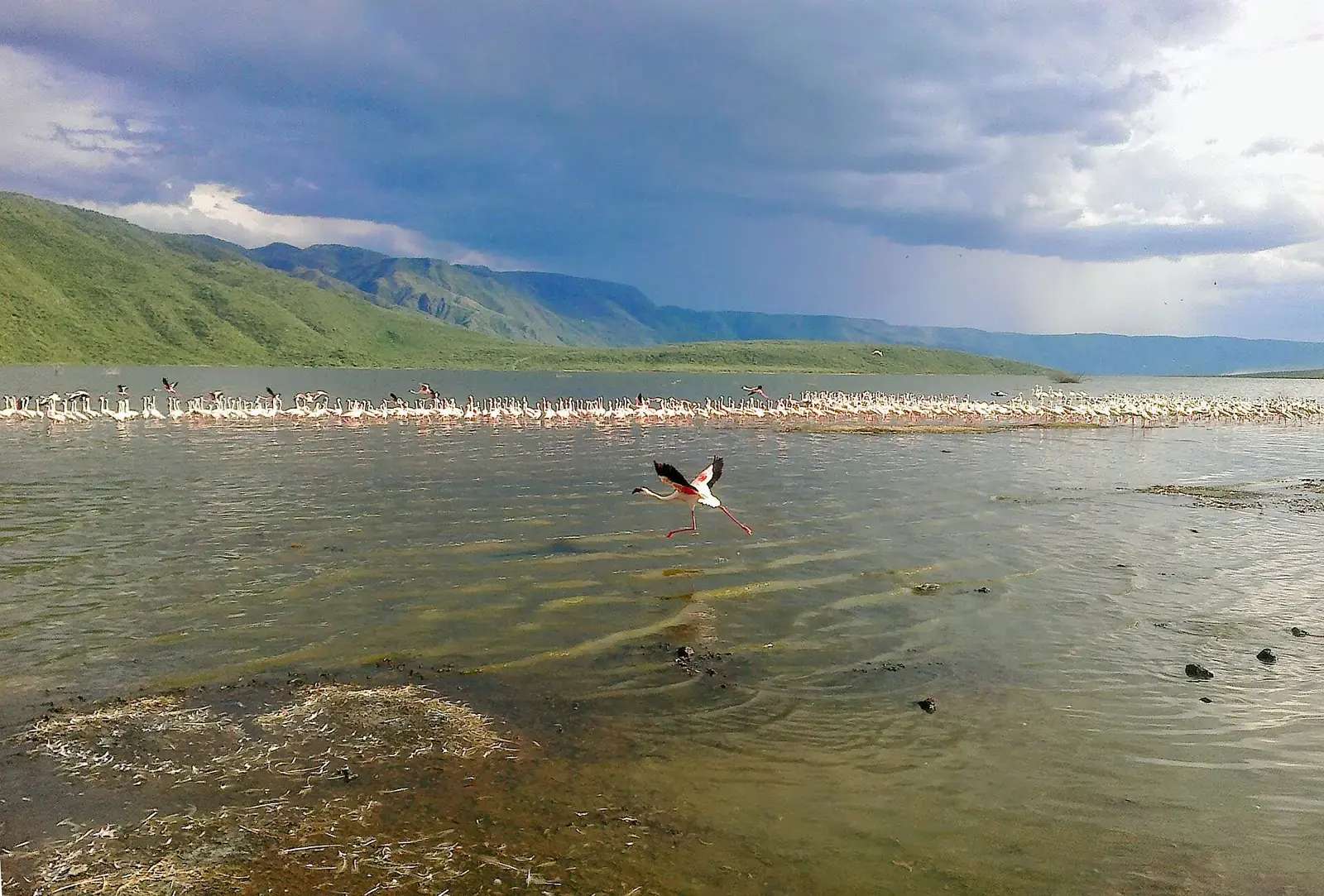
Some dates deserve a place in every textbook. On 2 February 2010, the African Commission recognised Indigenous land ownership for the first time: the Endorois of Kenya, driven from the shores of Lake Bogoria. On 26 May 2017, the African Court ruled in favour of the Ogiek of the Mau Forest. In 2024, the Commission published its decision in favour of the Batwa evicted from Kahuzi-Biega National Park in the DRC.
Landmark decisions
- Richtersveld, South Africa, 2003: the Constitutional Court recognises the Nama’s customary ownership of land and minerals. A restitution agreement follows in 2007.
- Central Kalahari, Botswana, 2006: the High Court rules the eviction of the San unlawful and upholds their right to live and hunt in the reserve.
- Endorois, Kenya, 2010: first recognition of Indigenous land ownership and of the right to development.
- Ogiek, Kenya, 2017 then 2022: violation of seven articles of the African Charter, reparations of about 160 million shillings.
- Batwa, Uganda, 2021: the Constitutional Court declares the 1991 eviction unlawful.
- Batwa, DRC, 2024: eviction ruled unlawful, collective titles, apology, compensation and a share of park revenue.
- Peoples of the Omo, Ethiopia, 2025: violation of the right to development.
Africa has the most advanced Indigenous case law in the world, and the lowest rate of implementation.
And then?
This is where the story turns sour. The Endorois received about 20,000 dollars, but their land was not returned. For the Ogiek, the African Court found on 4 December 2025 that “no part” of its judgments had been implemented, while evictions continue. In the DRC, nothing followed the Batwa decision; a contrary provincial order was even issued in December 2024. In Botswana, the 2006 ruling remains largely unenforced.
Why keep going?
Because every decision shifts the balance of power. It gives communities a text to hold up, journalists a fact to recall, donors a reason to set conditions on their funding. The Nama eventually won an agreement; the Batwa of Uganda obtained affirmative action.
All these victories rest on the same thing: evidence. Maps, dated testimonies, places described by those who live there. That is exactly what communities can gather, story after story, on OPAF.