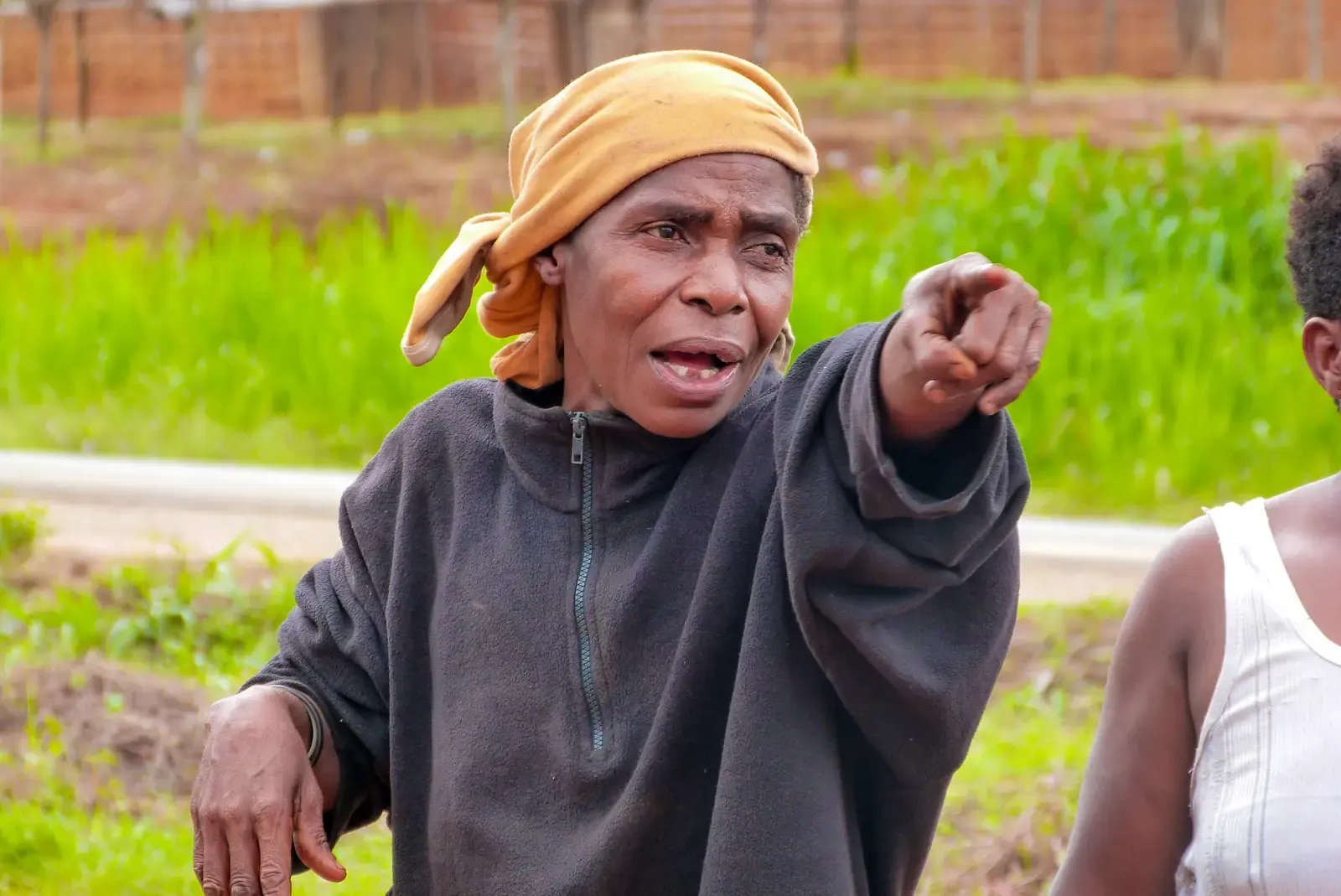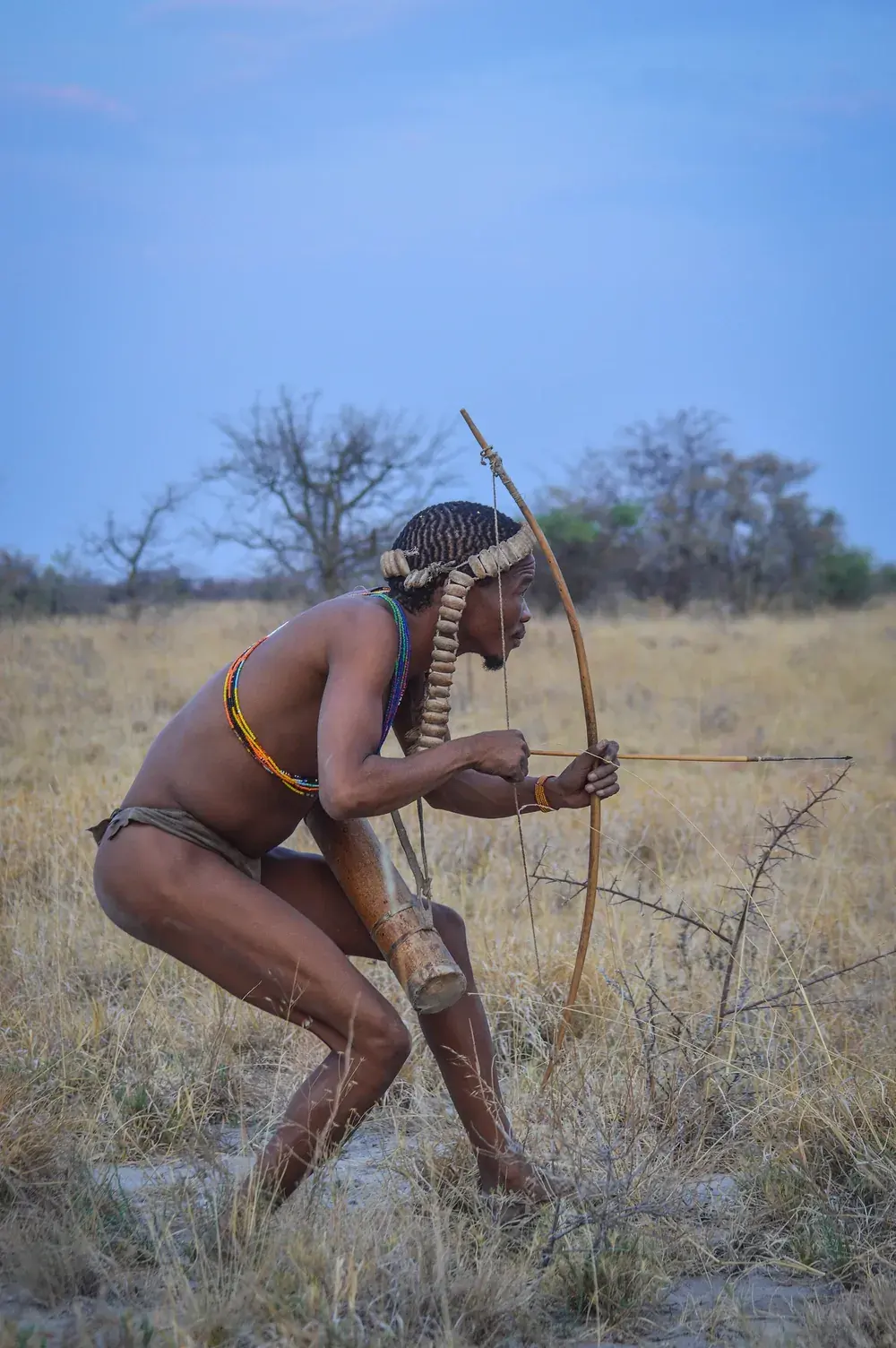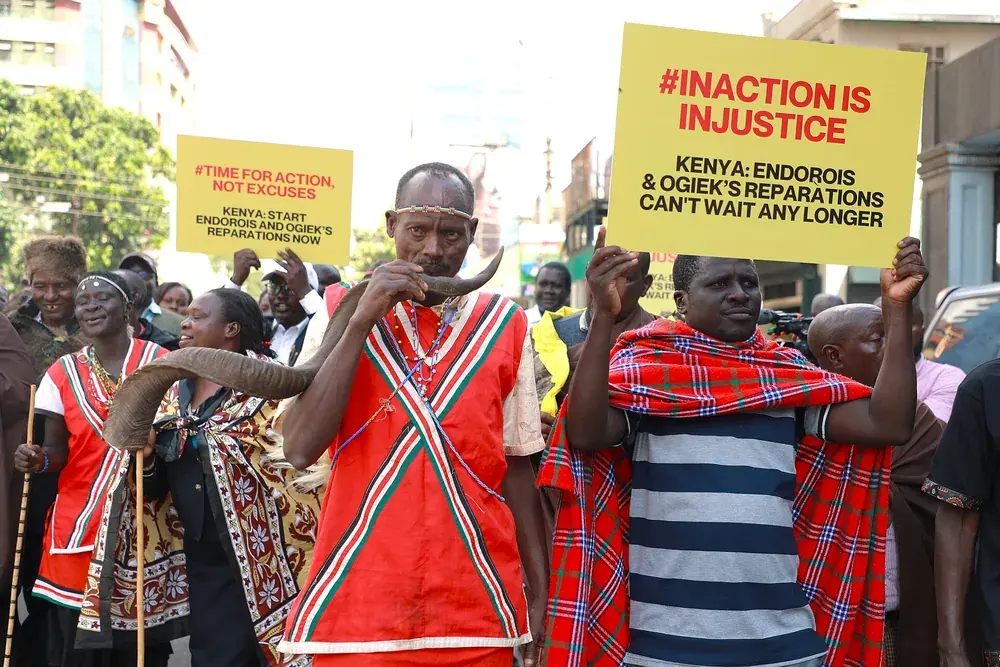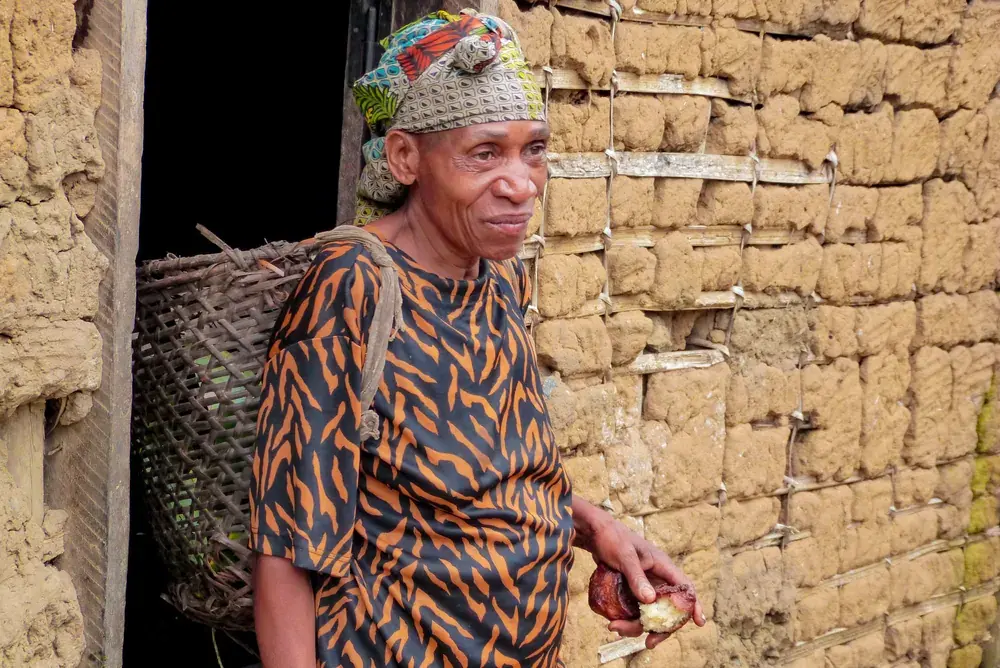
When an elder dies, a library burns. OPAF was born from a simple idea: give the Indigenous peoples of Africa a place of their own to tell their stories.
The Indigenous peoples of Africa hold knowledge about the forest, water, plants and the living world that no one else holds. Most of it is passed on by word of mouth. Without a record, it disappears with those who carry it.
At the same time, ancestral lands are shrinking: logging, mining, imposed protected areas. With them go sacred places and living places. And too often, the history of these peoples is written by others.
A social network, and an observatory
OPAF, the Observatory of Indigenous Peoples of Africa, is led by the Centre for Environment and Development (CED) in Cameroon. It is both a social network and a memory tool.
- Publish stories as video, audio, photos or text, in any language.
- Place a community’s living places on a map, dated and geolocated.
- Meet in communities and discussions, including between different peoples.
- Learn and pass on languages, lesson by lesson.
- Browse a library of documents, books and recordings.
A place that is dated, geolocated and documented by the community becomes evidence in defending its rights.
Your stories stay yours
No data is sold. Every story belongs to the community that published it, which decides what is public, restricted or removed. Sacred stories are visible only to the people concerned, and sacred sites are never shown on the public map. Anyone can export all their data at any time.
Built for the field
Many communities live far from the network. OPAF keeps stories you have already opened and the map readable offline, then syncs again as soon as the network returns. You sign in with Google or with a code sent by email: there is no password to remember. The app is free, in French and English, and interfaces in Indigenous languages are being prepared.
And this website?
This public website is the front door. Here you will find profiles of 31 peoples, the map of the countries where they live, films and podcasts, and this journal. Everything written here draws on the Mapping of Indigenous Peoples of Africa, produced by CED in October 2026, whose sources are cited.
Are you a member of an Indigenous community, an ally, a researcher or simply curious? Welcome. The floor belongs to those who live these stories.