If it meant “first inhabitants”, nearly every African would qualify. The African Commission chose another definition, a fairer one, and it changes everything.
The question keeps coming back, often with a hint of irritation: in Africa, isn’t everyone Indigenous? Taken literally, the idea of “first inhabitants” leads nowhere. To get out of that dead end, the African Commission on Human and Peoples’ Rights set up a working group in 2000, whose reference report was adopted in 2003.
Its answer fits in one sentence: an Indigenous people is not the one that arrived first, but a marginalised people whose culture and survival depend on a particular territory and way of life, and who identify themselves as such.
Four criteria, not a birth certificate
A report produced with the ILO and the University of Pretoria, adopted in May 2009 after studying 24 countries, spelled out what the Commission looks at:
- identifying as an Indigenous people, and being recognised as such by others;
- a special attachment to land and natural resources, on which their way of life and culture depend;
- a culture, language and institutions distinct from those of dominant groups;
- marginalisation, discrimination and dispossession, often inherited from colonisation and then reproduced by independent states.
Being Indigenous is not about who came first. It is a way of living with a territory, and the price paid for keeping it.
Two great families
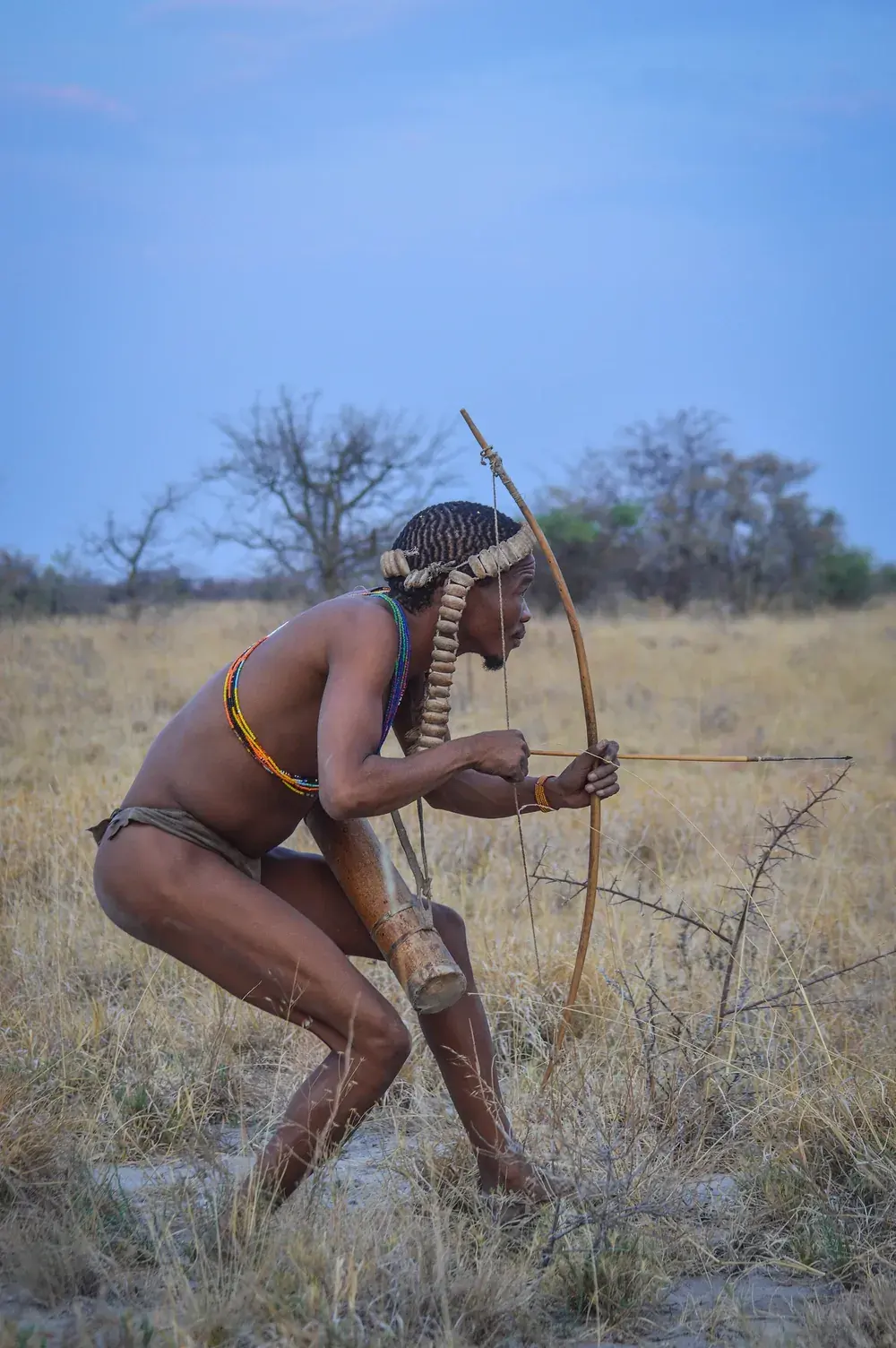
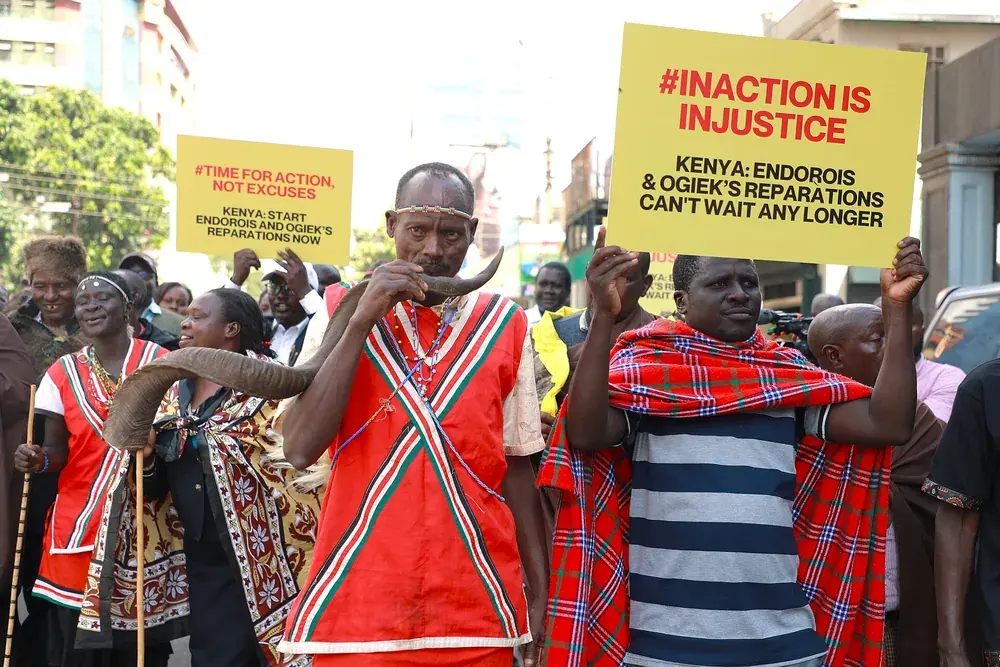
Across the continent, two large groups meet these criteria. On one side, hunter-gatherers: the forest peoples of the Congo Basin, the San of the Kalahari, the Hadzabe, the Ogiek, the Sengwer. On the other, nomadic or transhumant herders: Maasai, Samburu, Turkana, Borana, Afar, Tuareg, Toubou, Fulani and Mbororo, Himba. Add to them peoples with a strong linguistic and territorial identity, such as the Amazigh of North Africa or the Ogoni of the Niger Delta.
The figures are estimates and should be read as such. The forest hunter-gatherers of Central Africa number around 920,000, more than 60% of them in the DRC. The Maasai are about 1.19 million in Kenya according to the 2019 census. The Hadzabe of Tanzania are only 1,300 to 1,500, of whom 150 to 200 still live by hunting and gathering.
A word that hurts
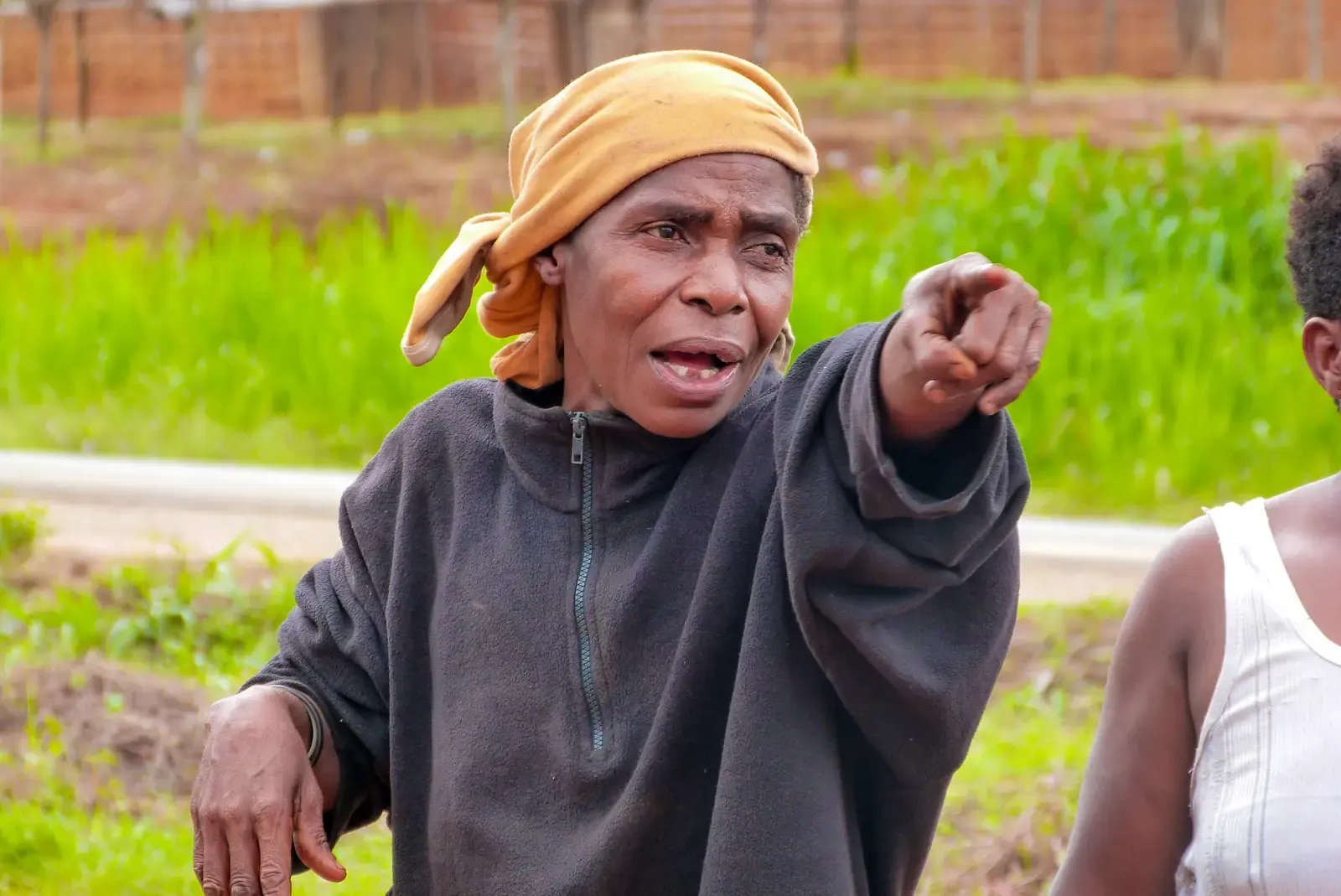
The term “Pygmy” still appears in laws, in Congo and in the DRC. Yet many communities experience it as an insult and prefer their own names: Baka, Bagyeli, Aka, Mbuti, Batwa. On OPAF, we follow their choice.
A debate still open
Several states still reject the category in the name of national unity. Rwanda speaks of “historically marginalised populations”. Only the Central African Republic has ratified ILO Convention 169, on 27 April 2010, and only Congo-Brazzaville (law 5-2011) and the DRC (law 22/030 of 2022) have passed a dedicated law. Yet almost every African state voted for the 2007 United Nations Declaration on the Rights of Indigenous Peoples.
Understanding this definition means understanding everything else: why these peoples defend their land in court, why their languages are under threat, and why their voice matters.