
Atlas of peoples
Indigenous peoples of Africa
31 peoples
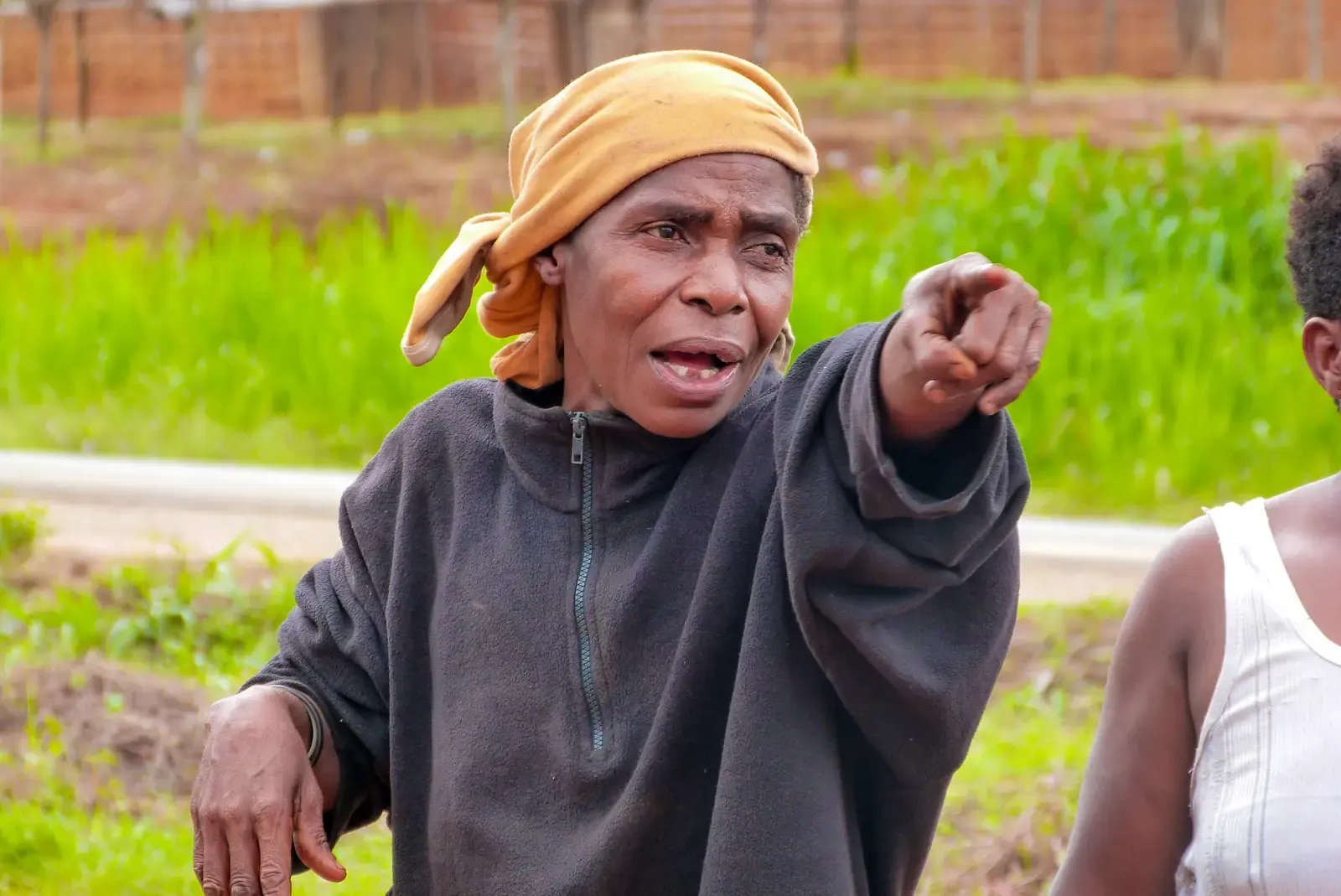 14 photosBaka
Cameroon, Gabon, Congo - Brazzaville
Hunter-gatherers of the forest of south-eastern Cameroon, the largest indigenous forest people in the country. Hunting, gathering (wild yams, honey), fishing, and increasingly farming and wage labour for Bantu neighbours. They alternate between forest camps (honey season, major hunts) and roadside villages. The Baka speak an Ubangian language, which sets them apart from most other forest peoples of the Congo Basin.
Read the profile →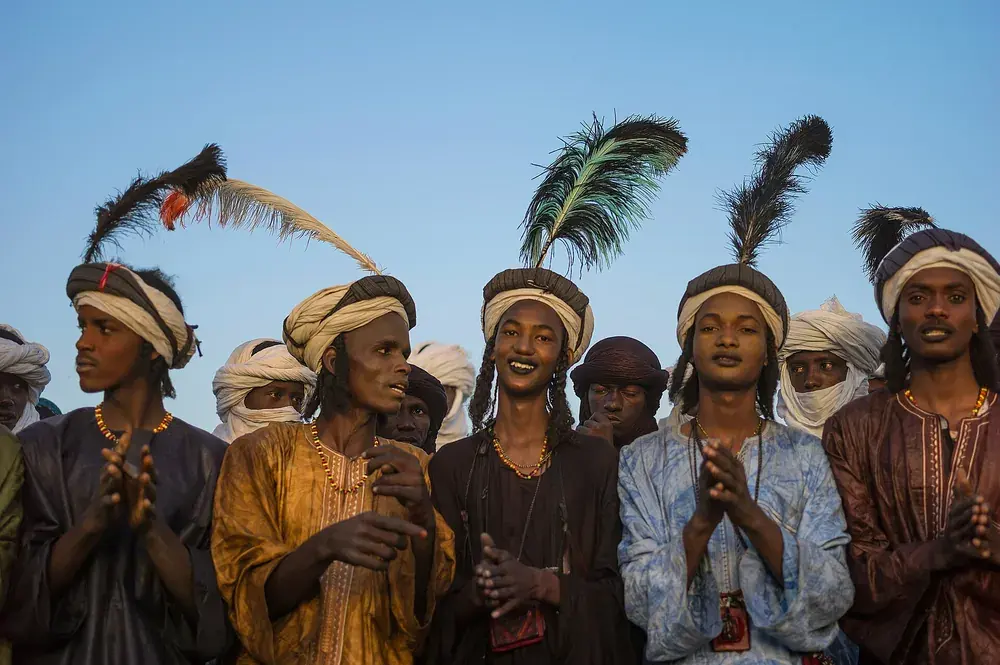 6 photosMbororo
Cameroon, Central African Republic, Chad
Mbororo (Peuls pasteurs)
Transhumant cattle herders who arrived in Cameroon at the beginning of the 20th century (Wodaabe, Jafun and Galegi subgroups), recognised as indigenous by the African Commission.
Read the profile →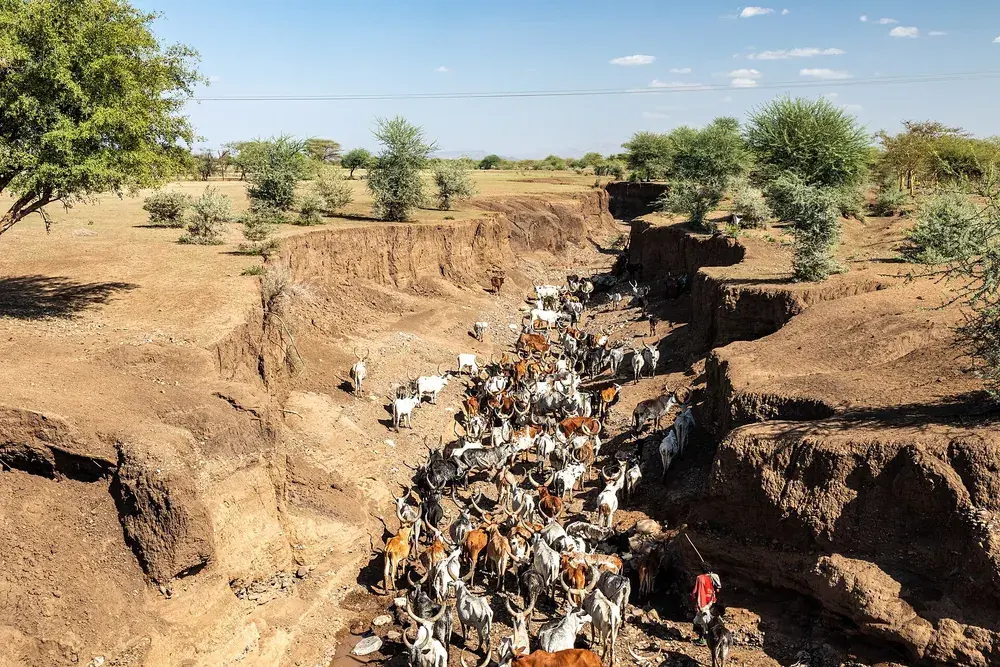 6 photosAfar
Ethiopia, Eritrea, Djibouti
Camel herders and salt traders of the Danakil, one of the hottest regions in the world.
Read the profile →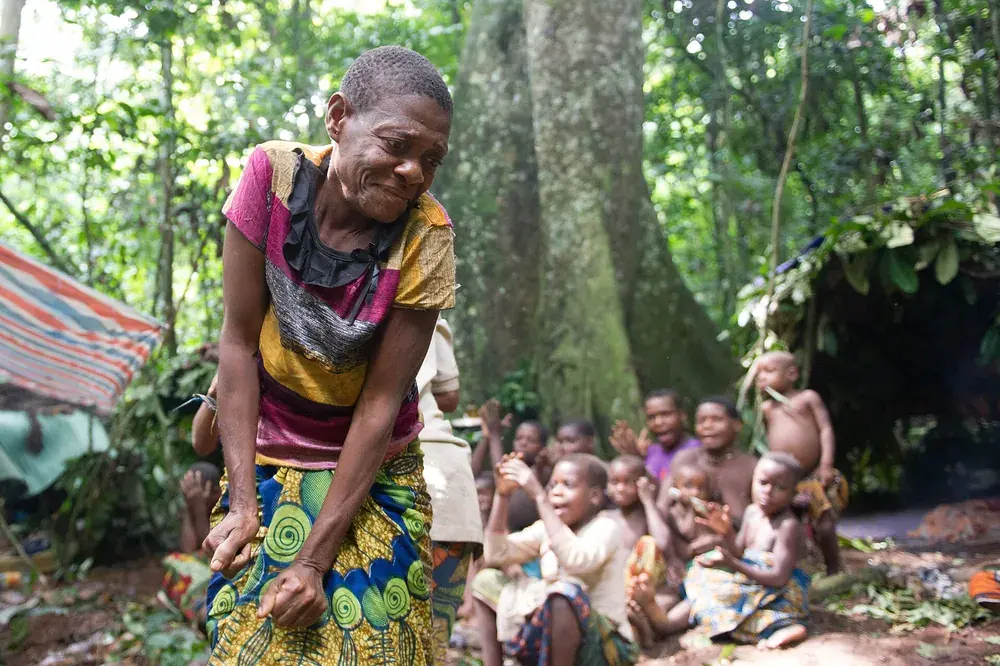 6 photosAka
Central African Republic, Congo - Brazzaville
Aka / BaAka / Mbendjélé
Hunter-gatherers of the forest of south-western Central African Republic and northern Congo, notably around the Dzanga-Sangha reserve. Net hunting, gathering, honey, seasonal work for Bantu neighbours and logging companies.
Read the profile →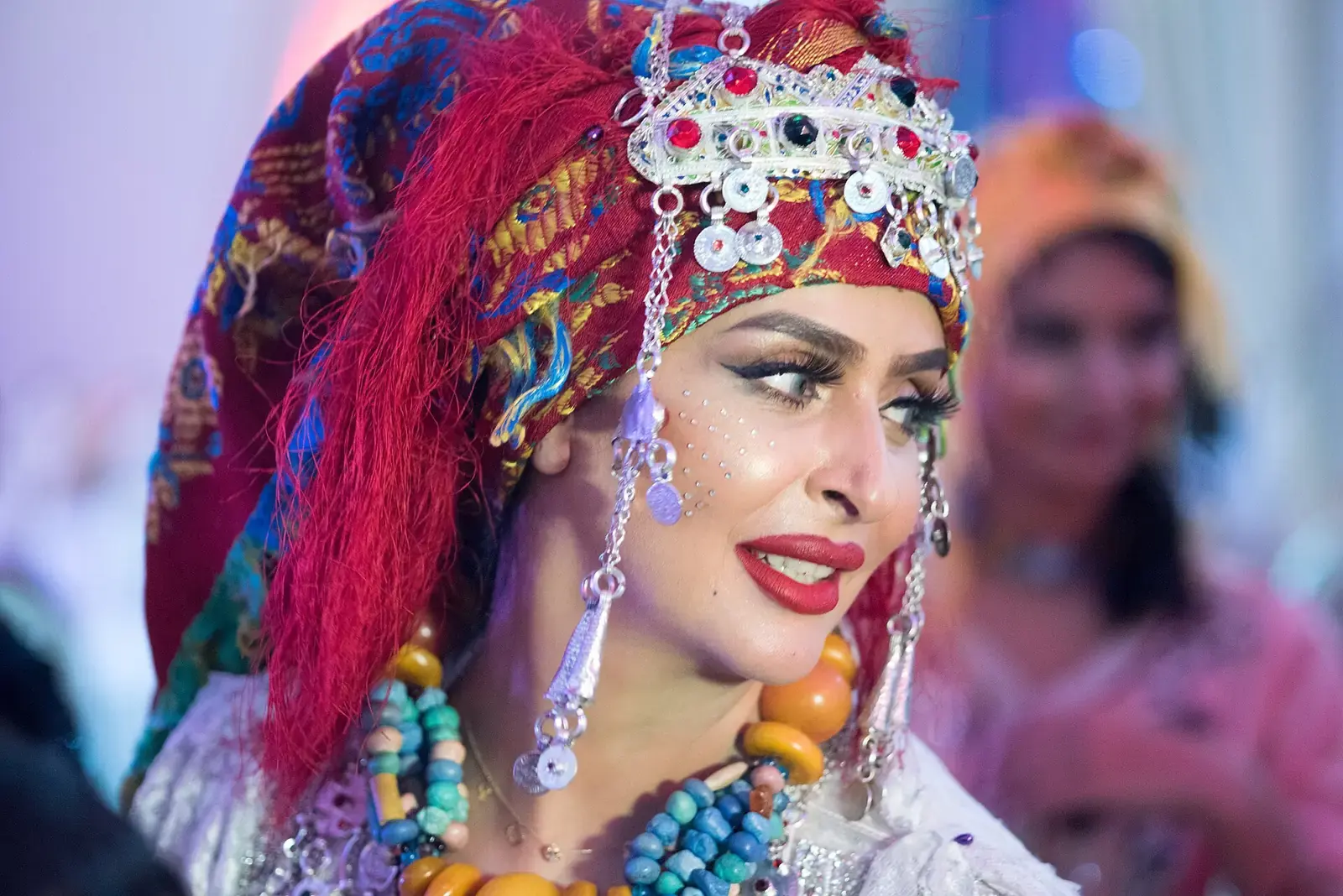 5 photosAmazighs
Morocco, Algeria, Tunisia, Libya, Egypt
Amazighs / Imazighen
Historic inhabitants of all of North Africa, marginalised by the Arabisation policies of the independent states.
Read the profile →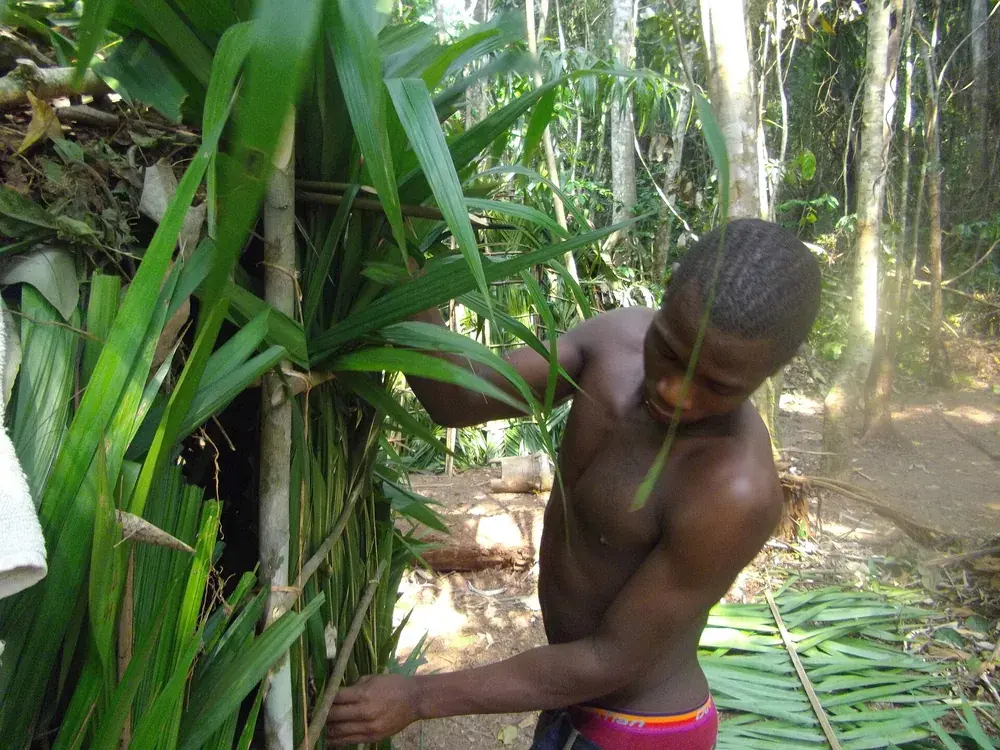 6 photosBagyeli
Cameroon
Bagyeli / Bakola
Hunter-gatherers of the coastal forest of southern Cameroon, on a territory of about 12,000 km². They live in camps and roadside villages, in an exchange relationship, often unequal, with neighbouring Bantu farmers.
Read the profile →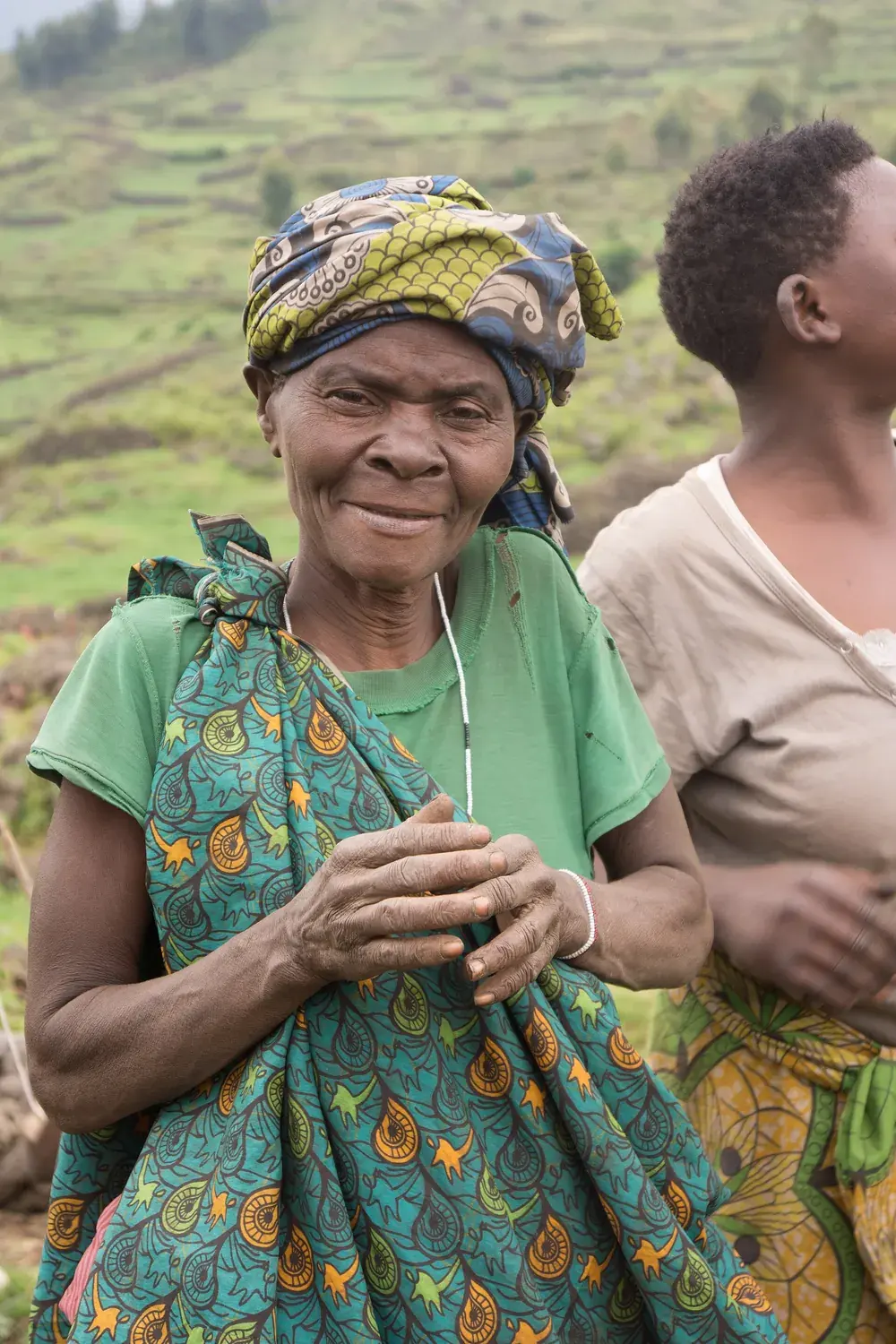 5 photosBatwa
Congo - Kinshasa, Rwanda, Burundi, Uganda
Batwa / Twa / Bambuti / Bacwa
Former hunter-gatherers of the montane forests of the Great Lakes, evicted from the parks (Kahuzi-Biega 1975, Volcanoes, Nyungwe, Bwindi and Mgahinga 1991), who have become potters, landless farm labourers or dwellers on the urban margins.
Read the profile →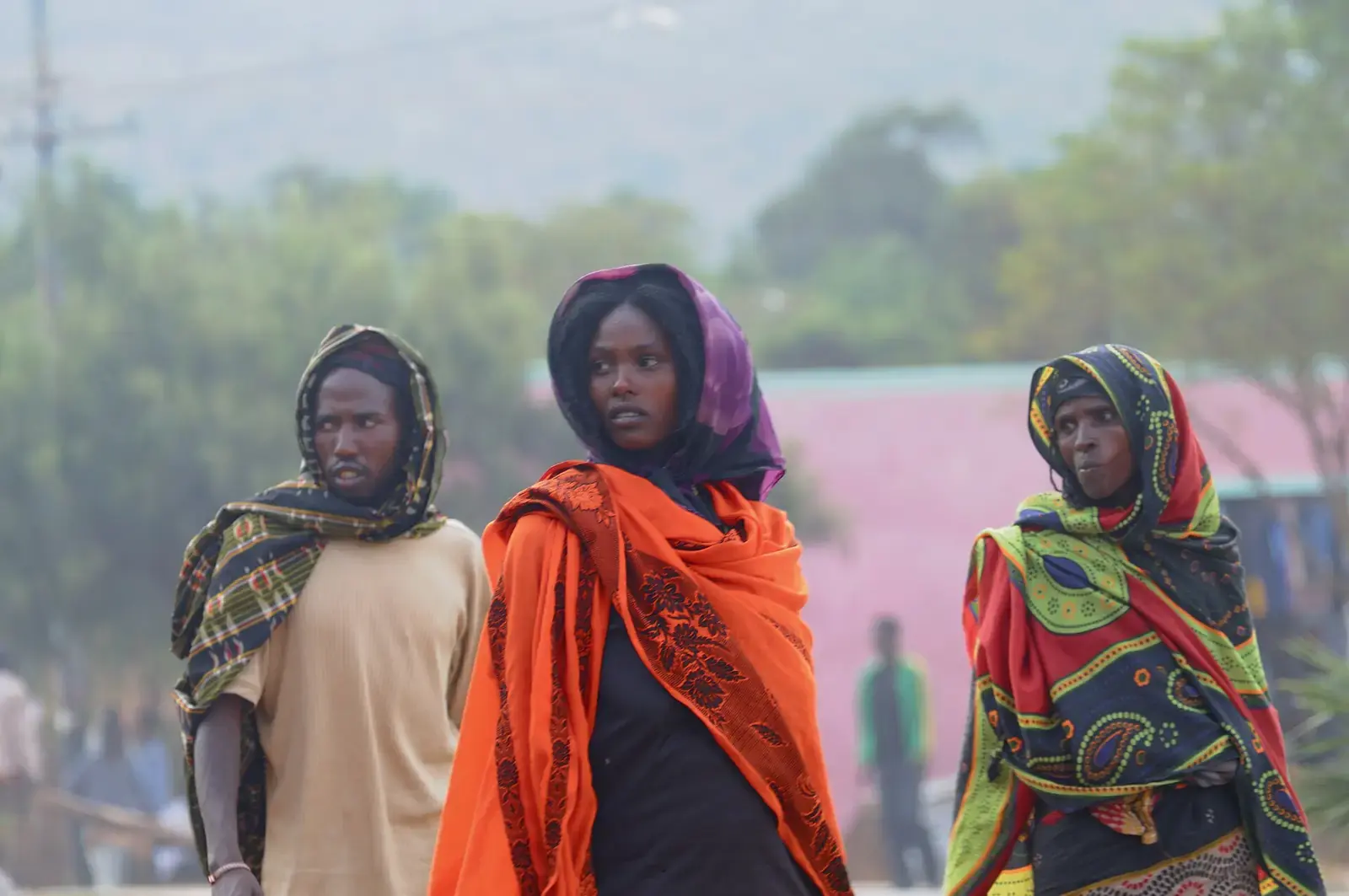 6 photosBorana
Ethiopia, Kenya
Borana (Oromo)
Cushitic pastoralists of the Borena and Marsabit plateaux.
Read the profile →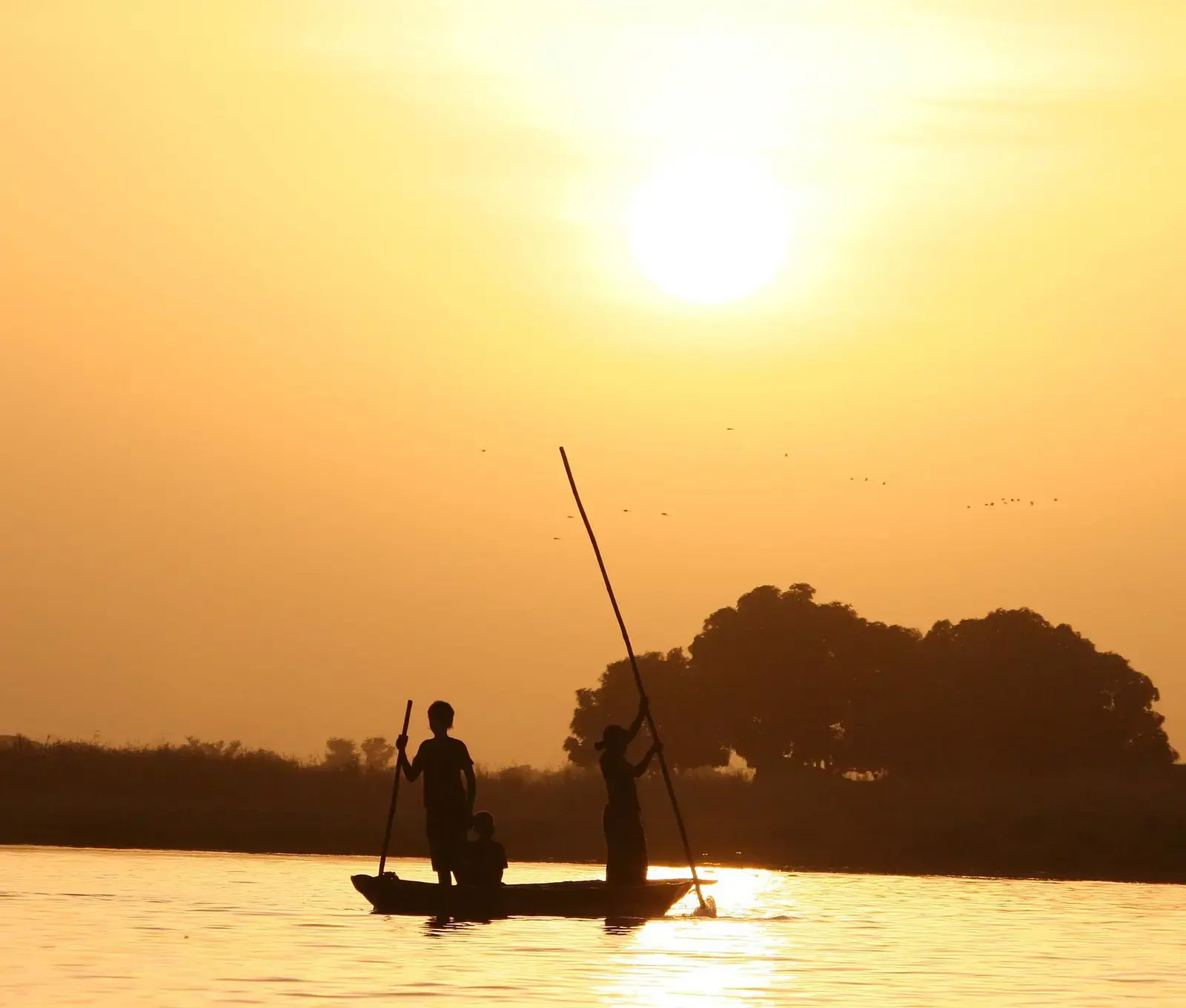 5 photosBozo
Mali
Bozo (et Somono)
“Masters of the water”, fishers and boatmen who founded Djenné and Mopti; the Somono are fisher-boatmen of mixed origin.
Read the profile →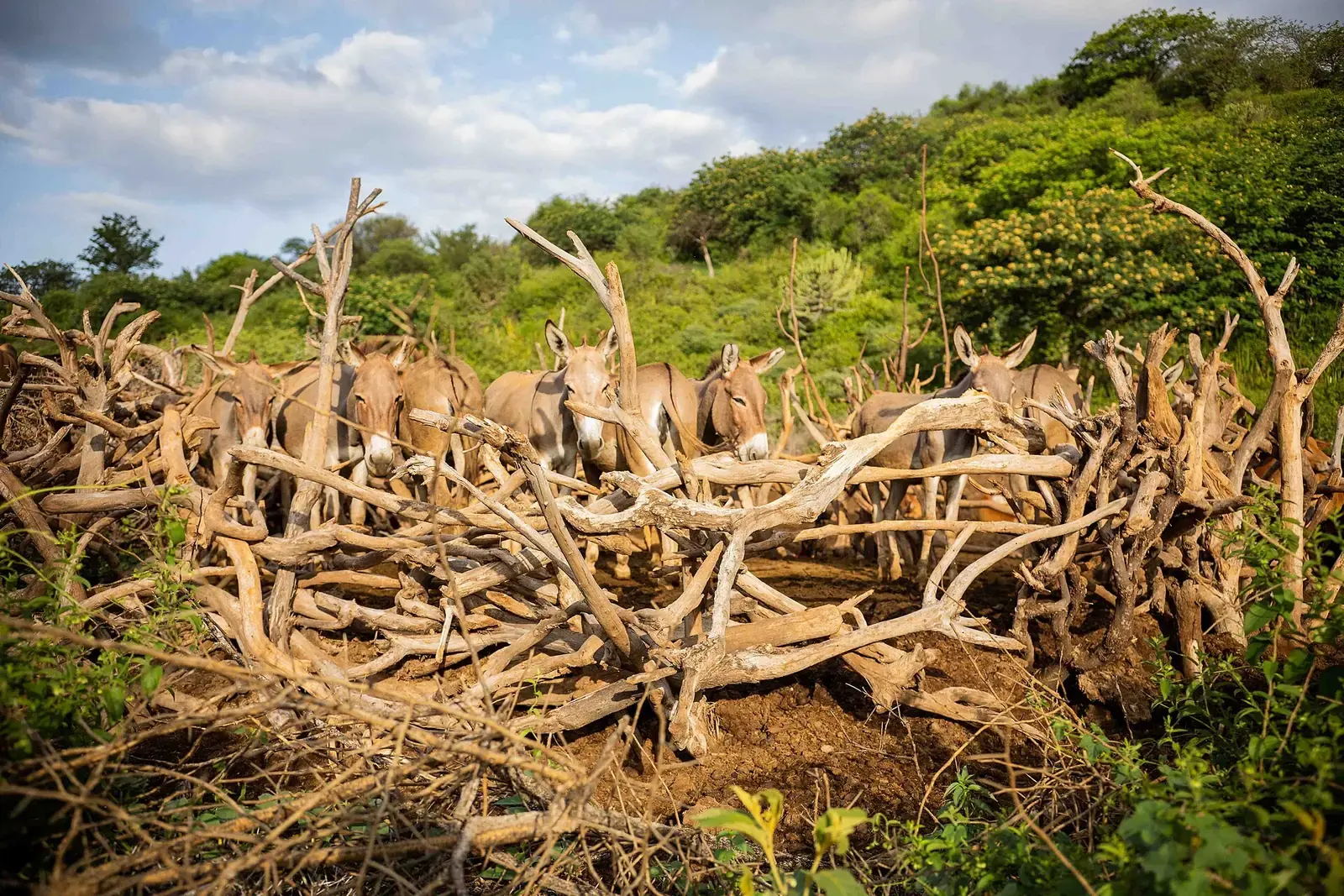 6 photosDatoga
Tanzania
Datoga (Barabaig)
Nilotic pastoralists, neighbours of the Hadzabe, renowned as blacksmiths (arrowheads, bracelets).
Read the profile →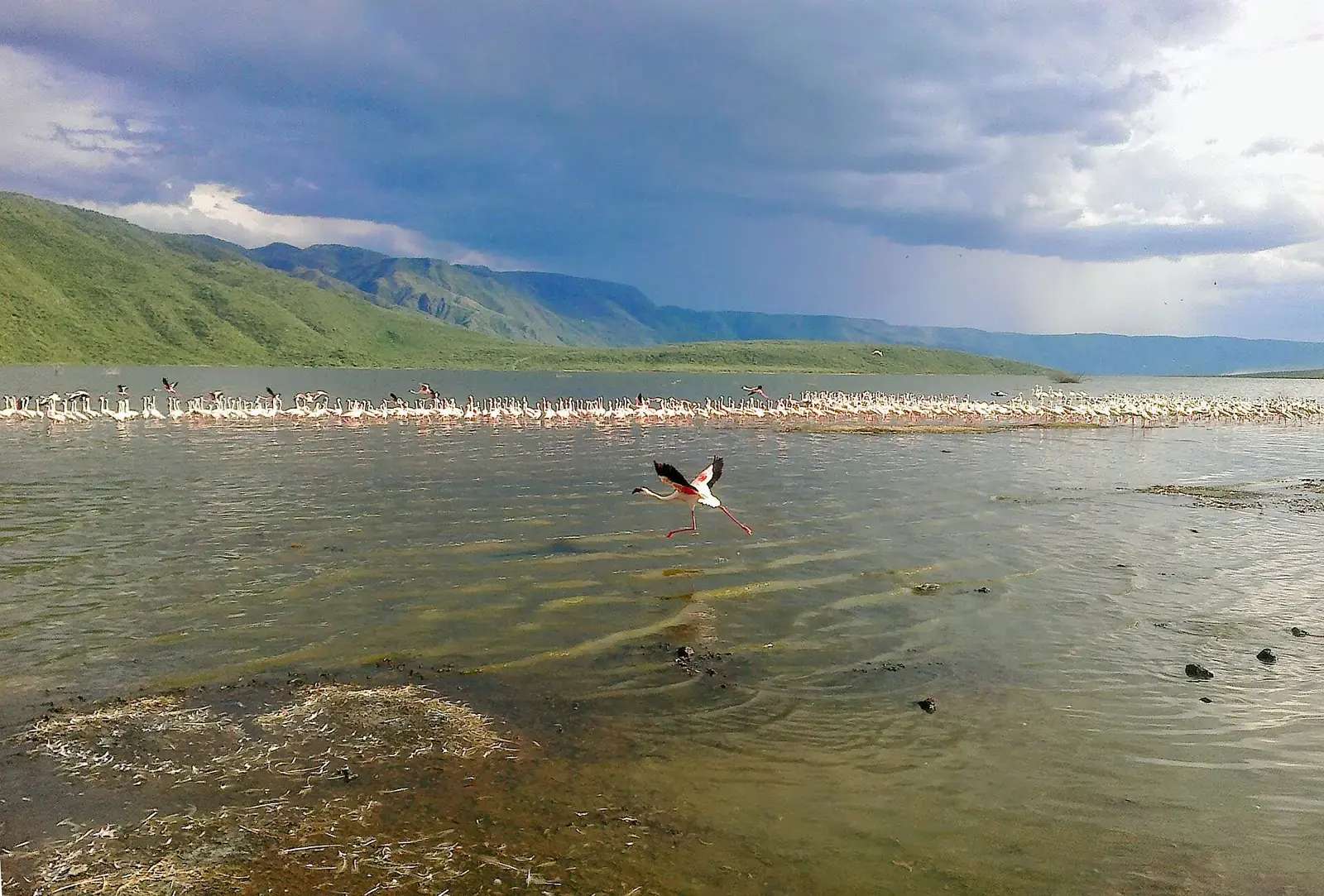 5 photosEndorois
Kenya
Semi-nomadic agro-pastoralists evicted in 1973 to create the Lake Bogoria reserve (Lake Hannington).
Read the profile →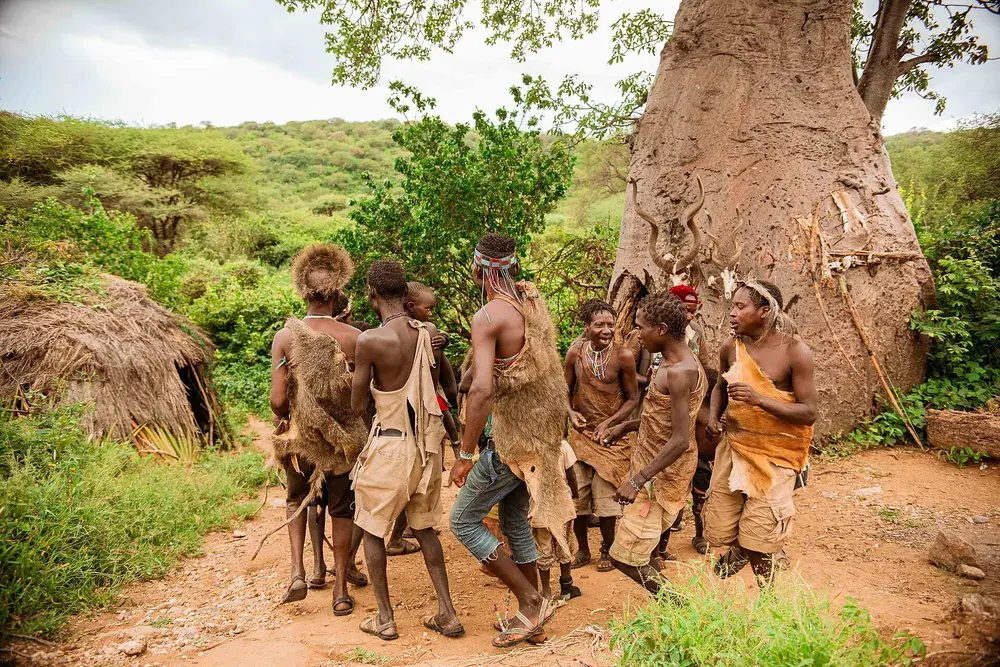 6 photosHadzabe
Tanzania
Hadzabe / Hadza
The last full-time hunter-gatherers in East Africa: bow and arrows, honey, tubers, baobab.
Read the profile →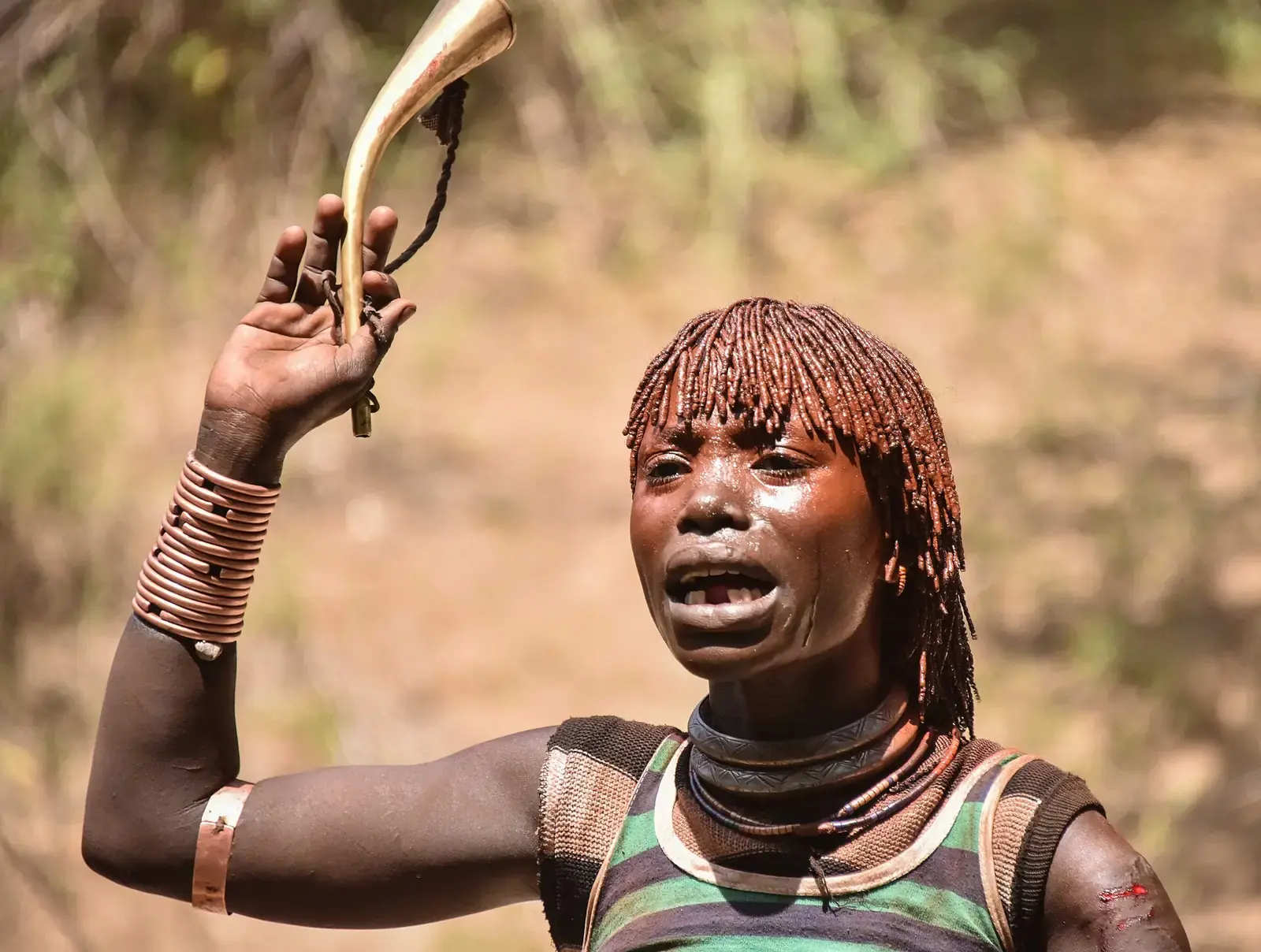 5 photosHamar
Ethiopia
Pastoralists and farmers of the Omo hills, known for the bull-jumping rite (ukuli bula).
Read the profile →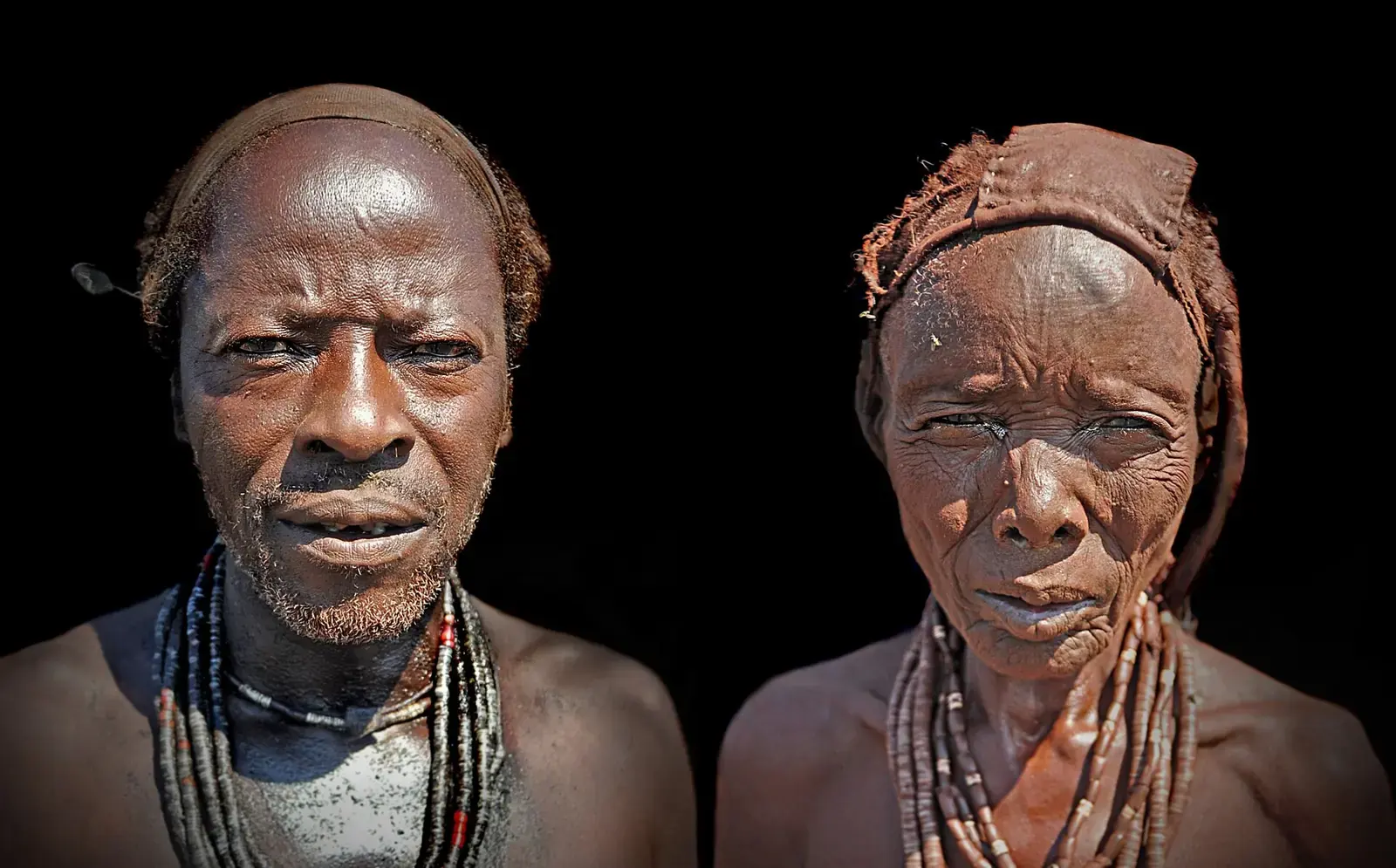 4 photosHimba
Namibia, Angola
Himba (et Ovatue)
Semi-nomadic pastoralists of the Kunene; the women cover themselves in otjize (ochre and butter).
Read the profile →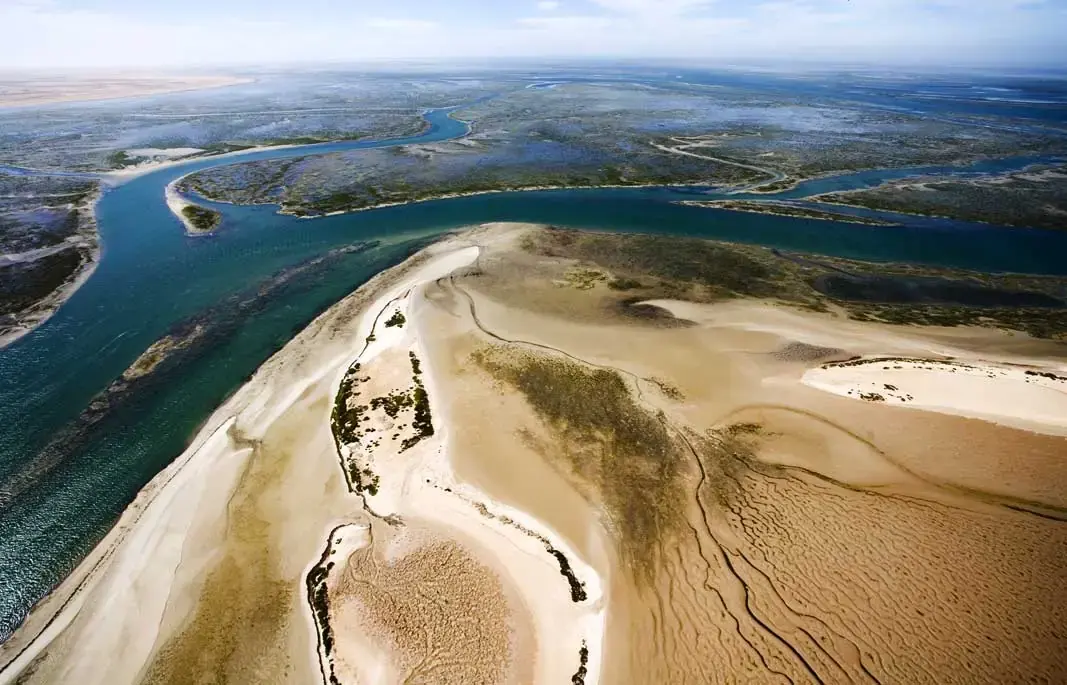 5 photosImraguen
Mauritania
Fishers of the Banc d'Arguin (UNESCO 1989), the only protected area in which they may reside; villages of Iwik and Tin Aloule.
Read the profile →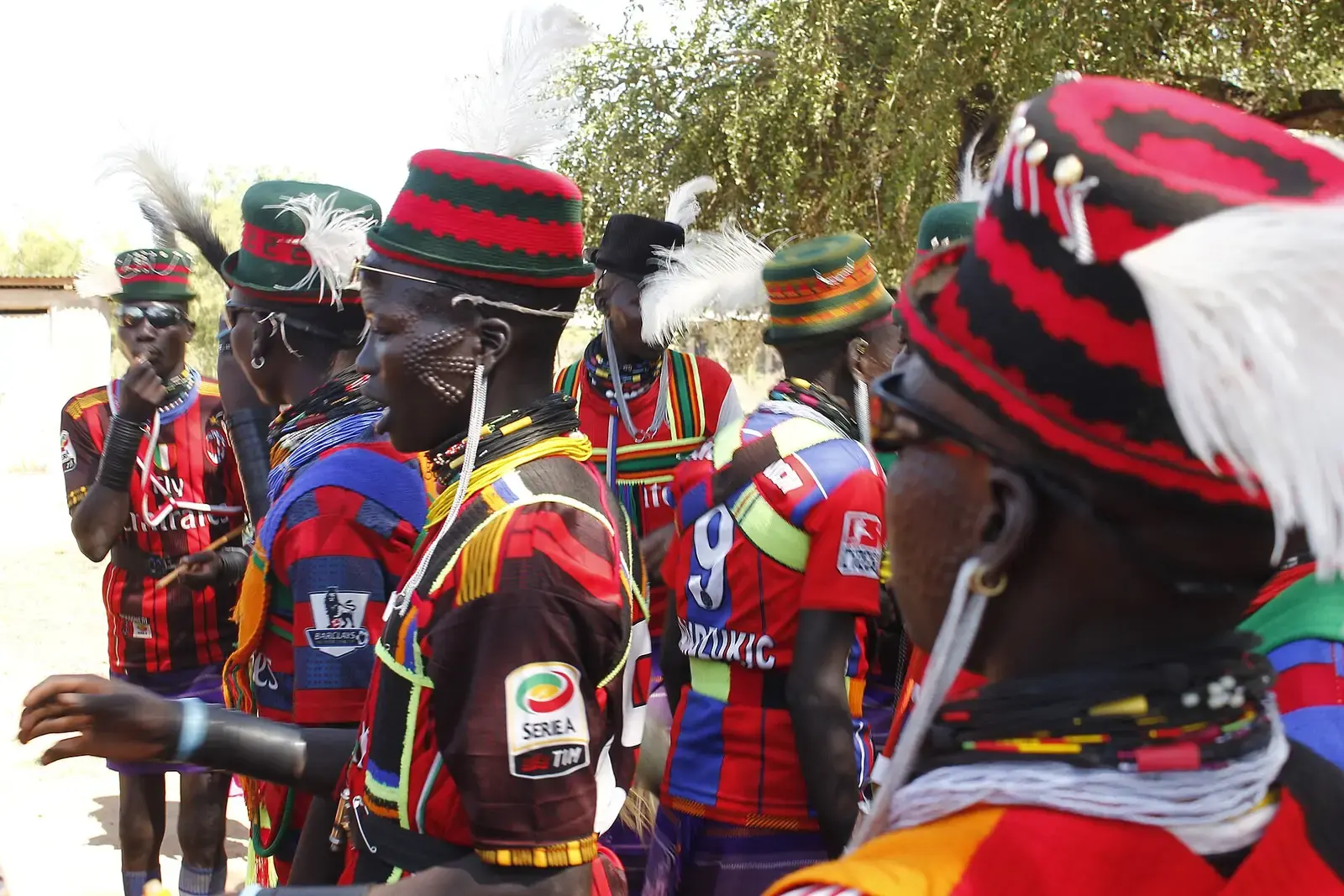 6 photosKaramojong
Uganda
Pastoralists of north-eastern Uganda, related to the Turkana and the Jie.
Read the profile →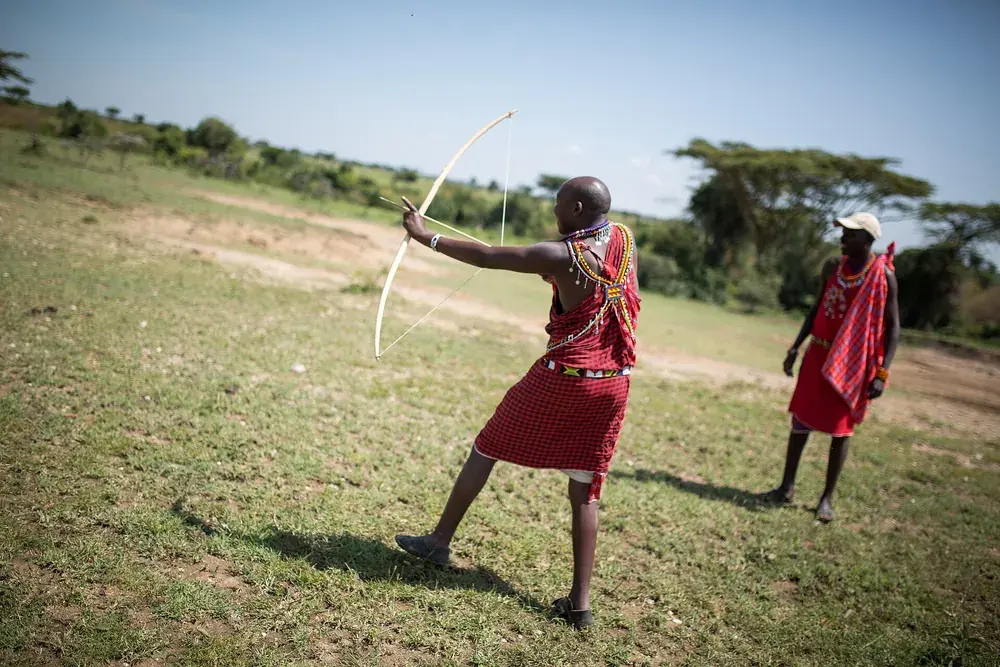 6 photosMaasai
Kenya, Tanzania
Transhumant pastoralists organised into 14 sections (Kisongo, Purko, Loita…), age sets (moran, elders), ritual authority of the laibon.
Read the profile →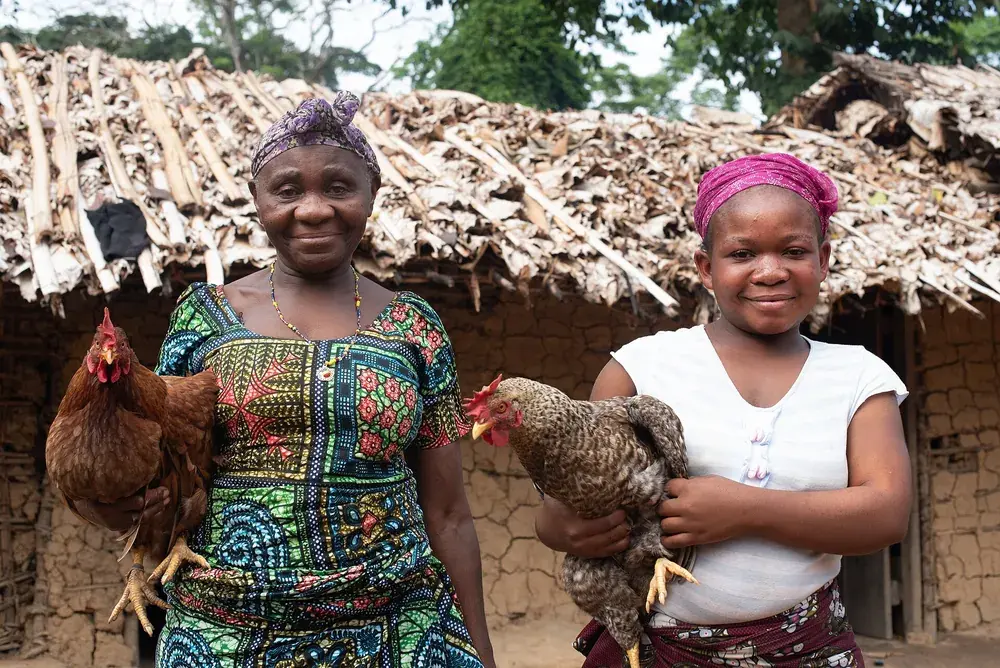 1 photoMbuti, Efe et Asua
Congo - Kinshasa
Hunter-gatherers of the Ituri, described by Colin Turnbull (“The Forest People”, 1961); the Okapi Reserve (UNESCO 1996, in danger since 1997) is “inhabited by the nomadic Mbuti and Efe hunters”.
Read the profile →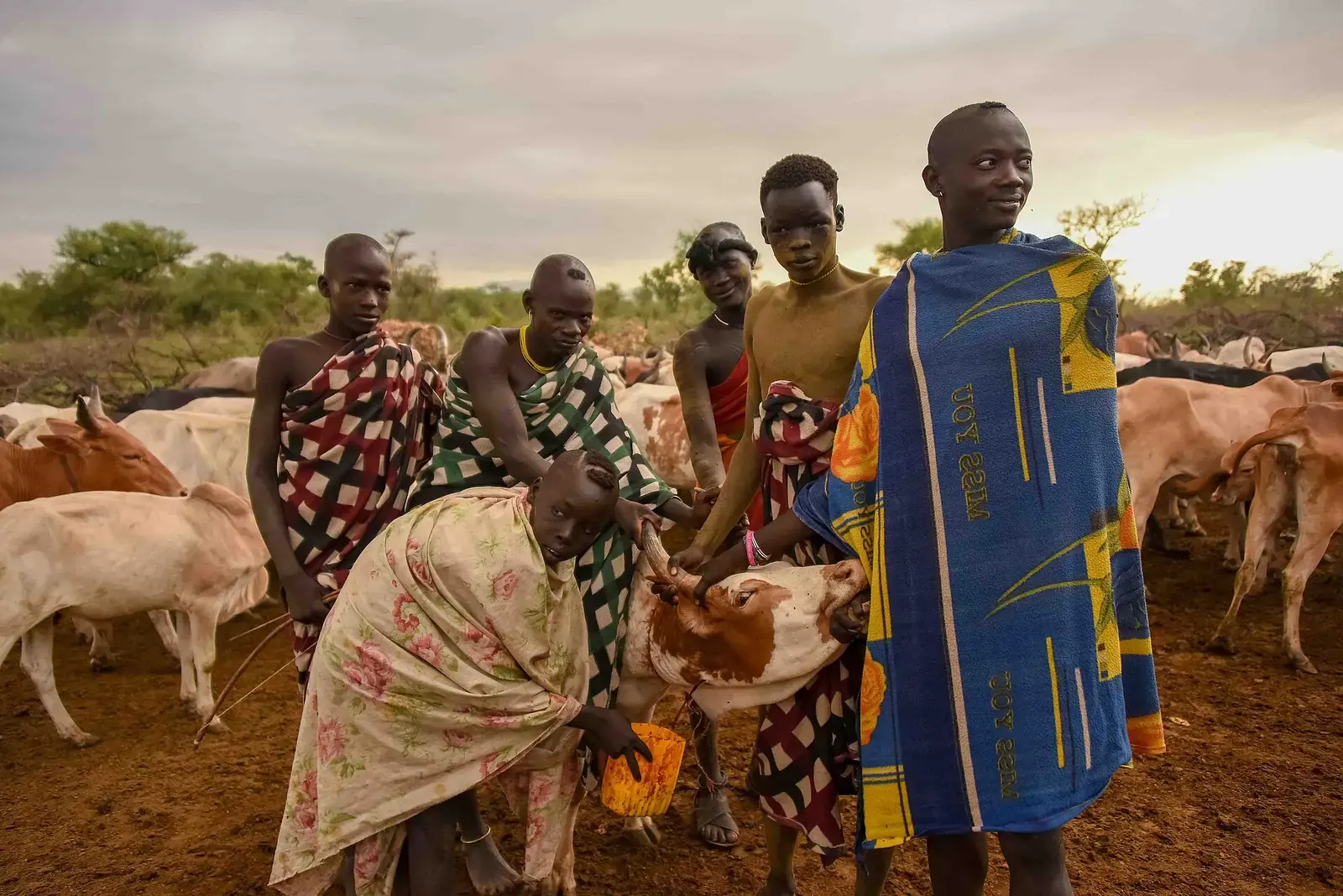 3 photosMursi
Ethiopia
Agro-pastoralists of the Omo, famous for their lip plates (dhebi a tugoin) and stick duels (donga).
Read the profile →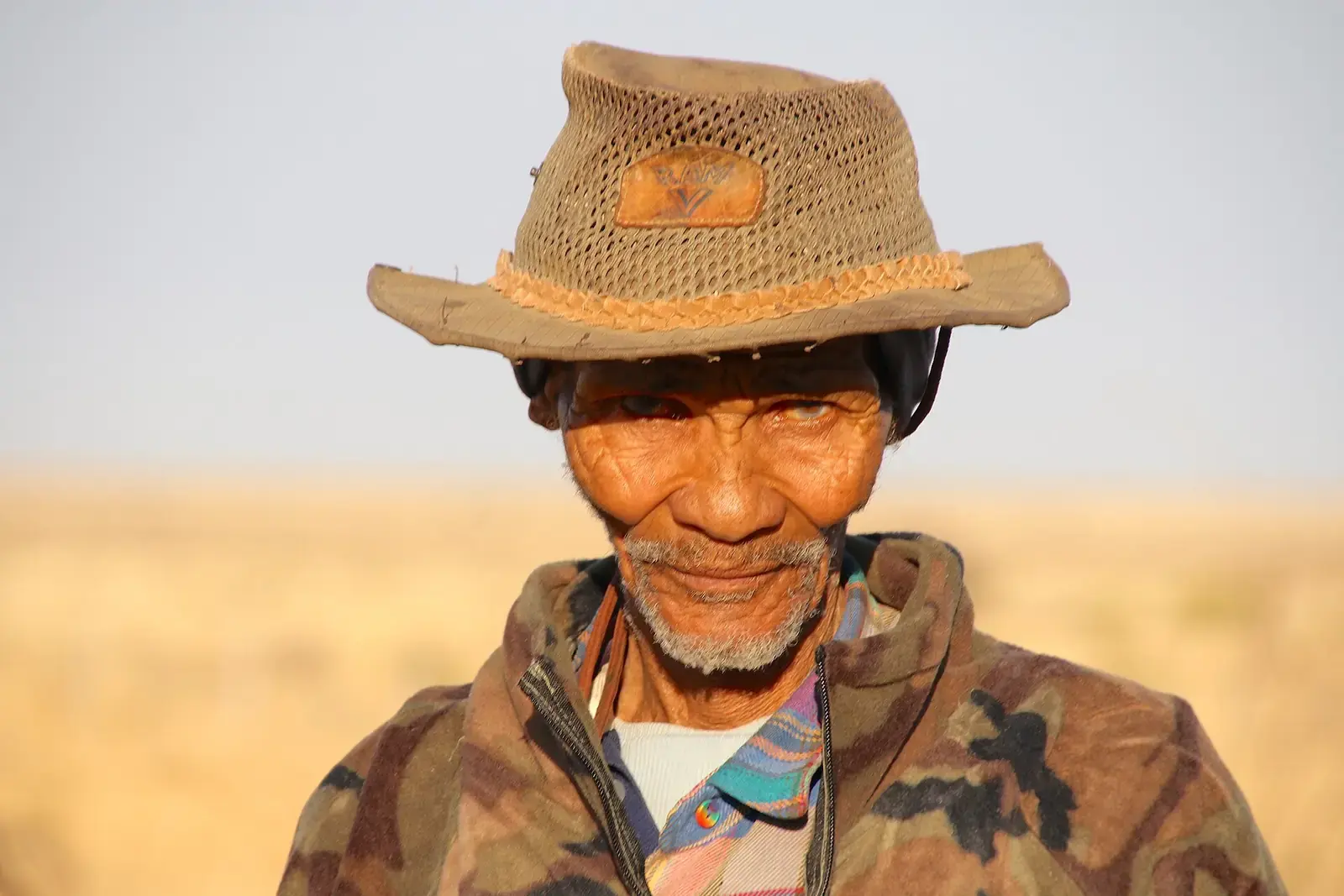 5 photosNama
Namibia, South Africa
Nama / Khoekhoe
Historic Khoekhoe herders, victims, together with the Herero, of the German genocide of 1904-1908. The Khoikhoi, for whom Commons holds only old documents, are represented here by the Nama.
Read the profile →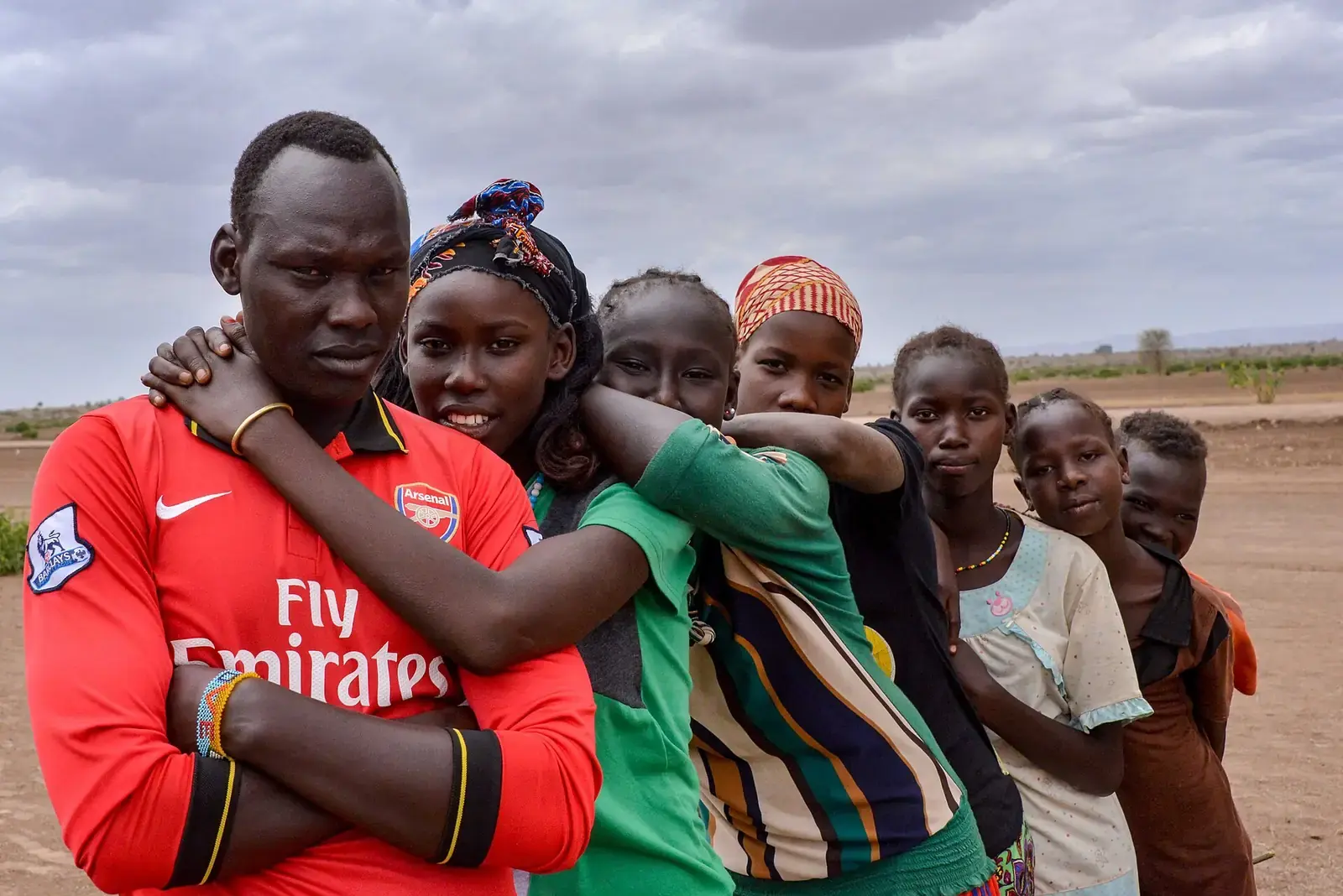 5 photosNyangatom
Ethiopia, South Sudan
Herders and flood-retreat cultivators of the Omo, related to the Turkana and Toposa.
Read the profile →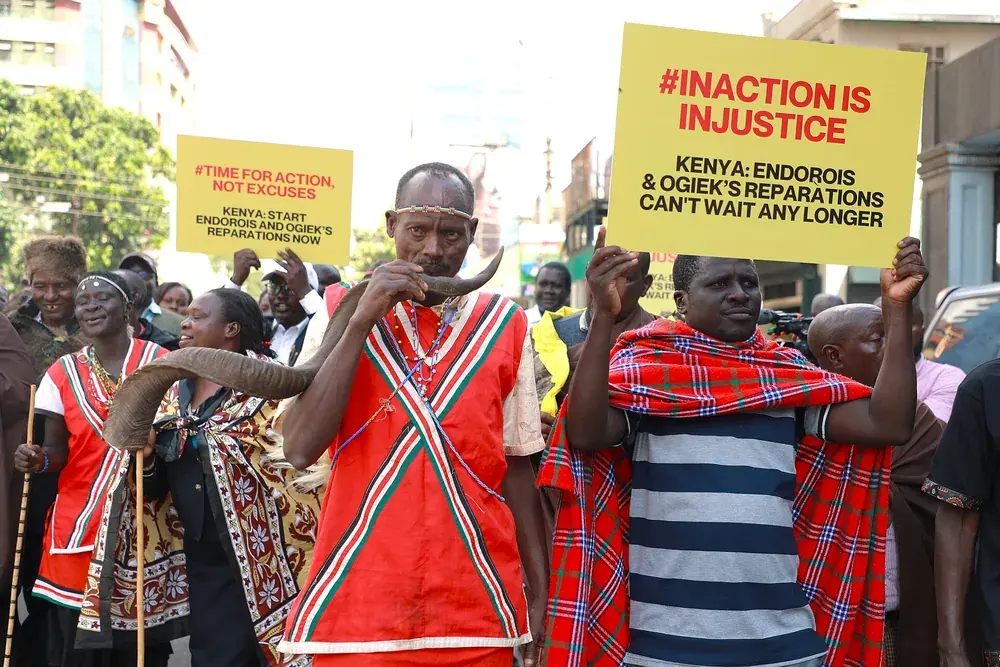 3 photosOgiek
Kenya
Hunter-gatherers and beekeepers of the Mau Forest, Kenya's largest water tower.
Read the profile →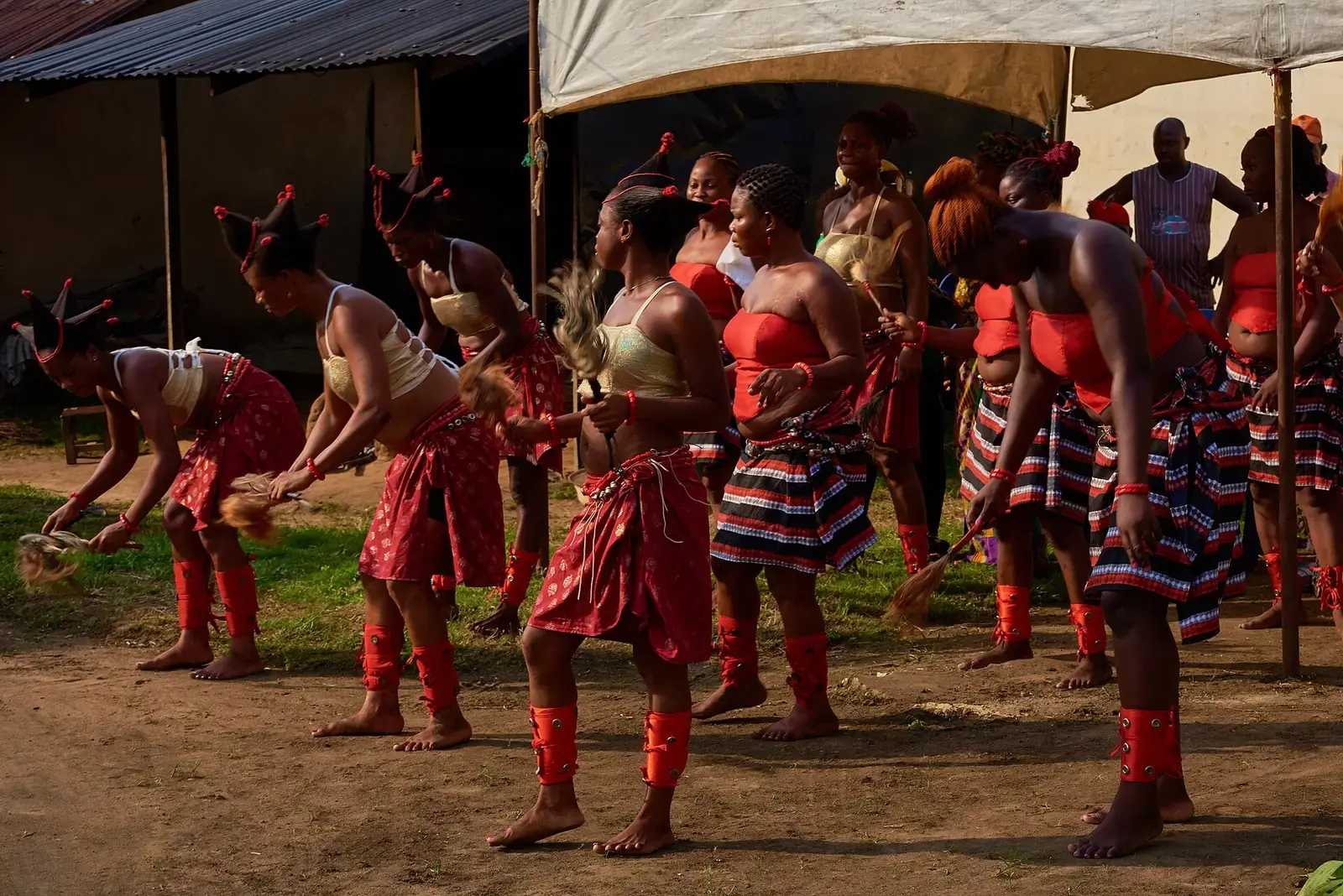 6 photosOgoni
Nigeria
A people of the Niger Delta who became the world symbol of environmental justice following Shell's oil extraction (from 1958).
Read the profile →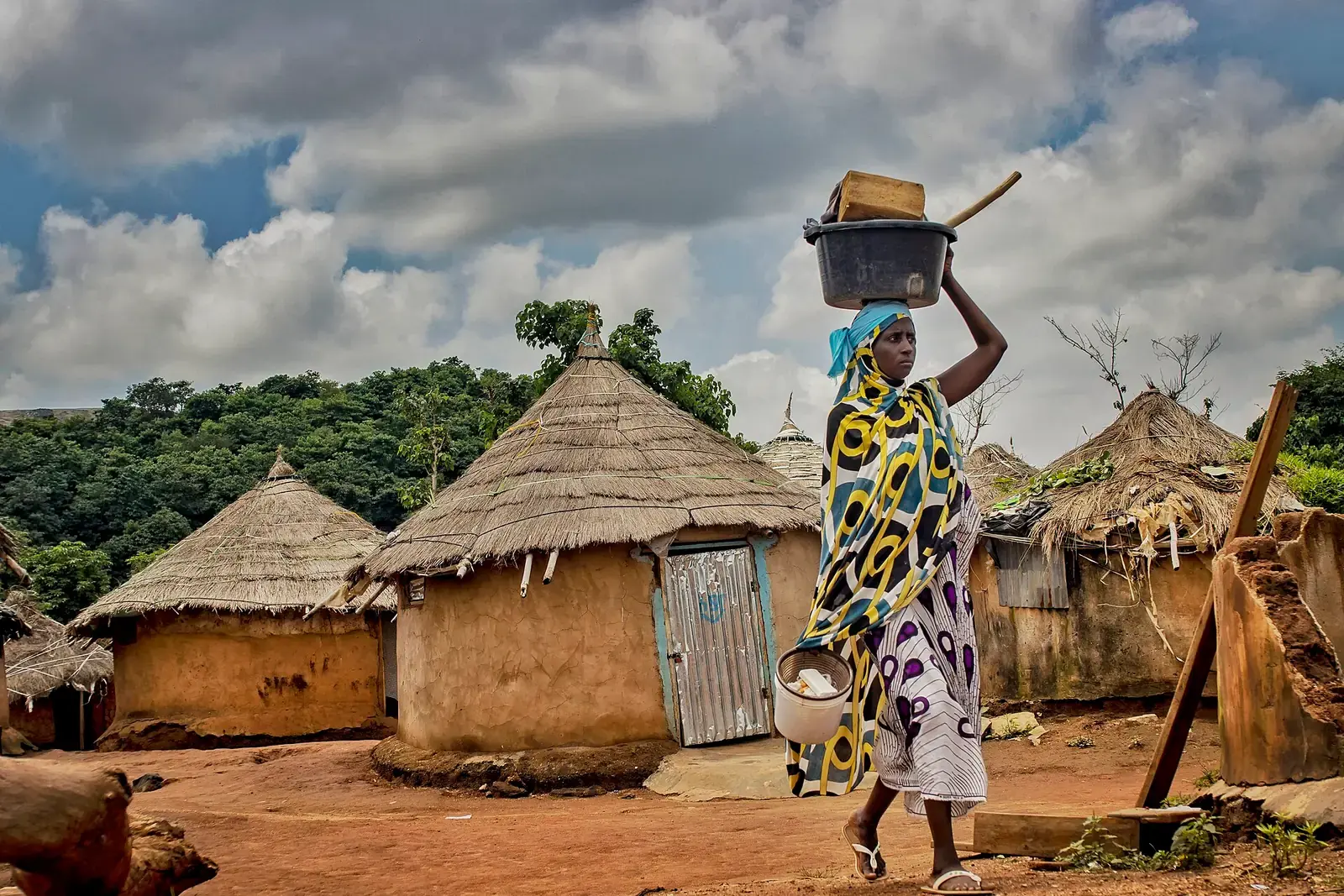 7 photosPeuls
Senegal, Sudan, Mali, Niger, Burkina Faso, Nigeria, Guinea, Cameroon
Peuls / Fulani / Fulɓe
The continent's largest pastoral people; transhumant zebu pastoralism, partial settlement in the former states (Fouta-Djalon, Macina, Sokoto).
Read the profile →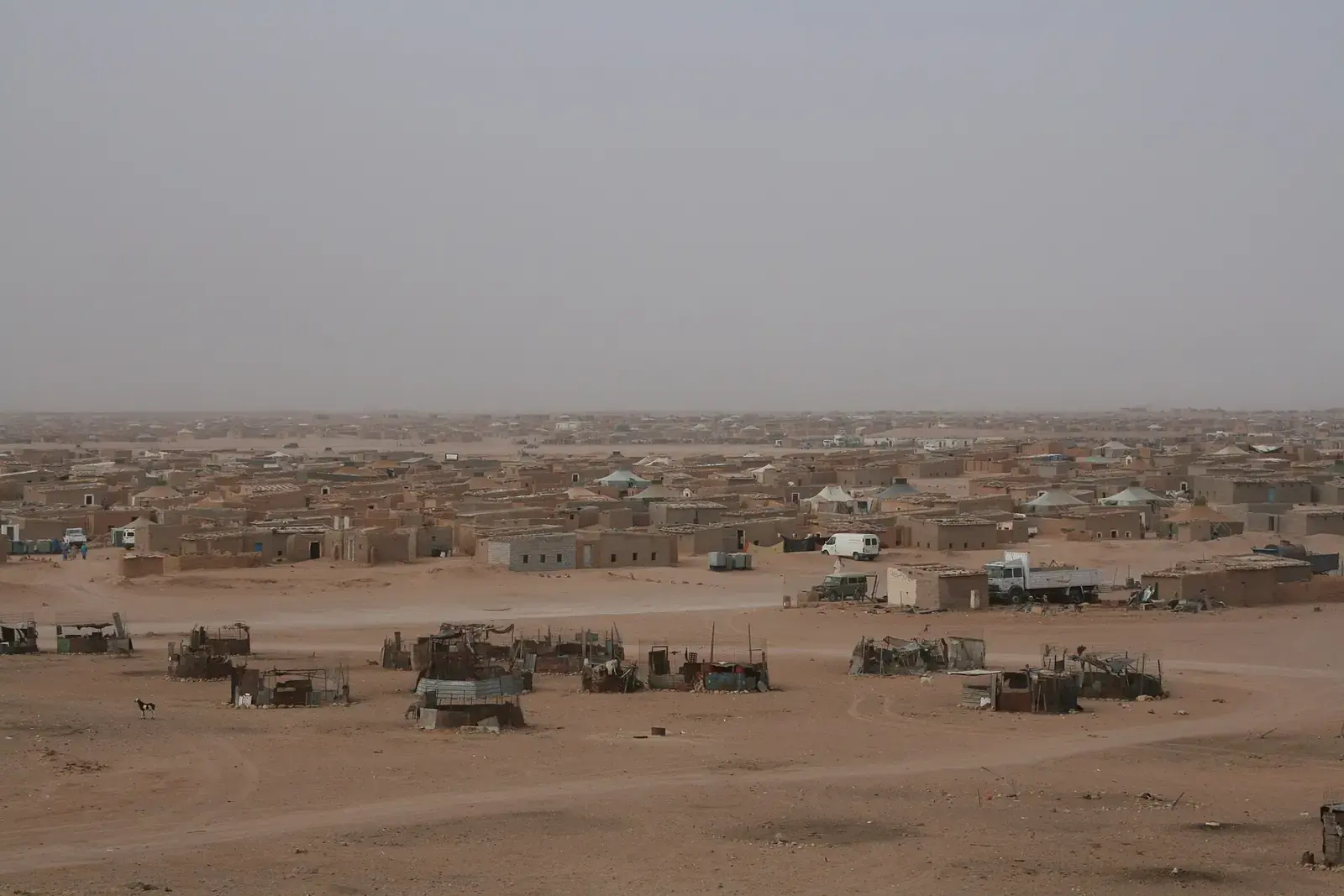 6 photosSahraouis
Western Sahara, Algeria
A Hassaniya-speaking nomadic society made sedentary by an exile that has lasted since 1975.
Read the profile →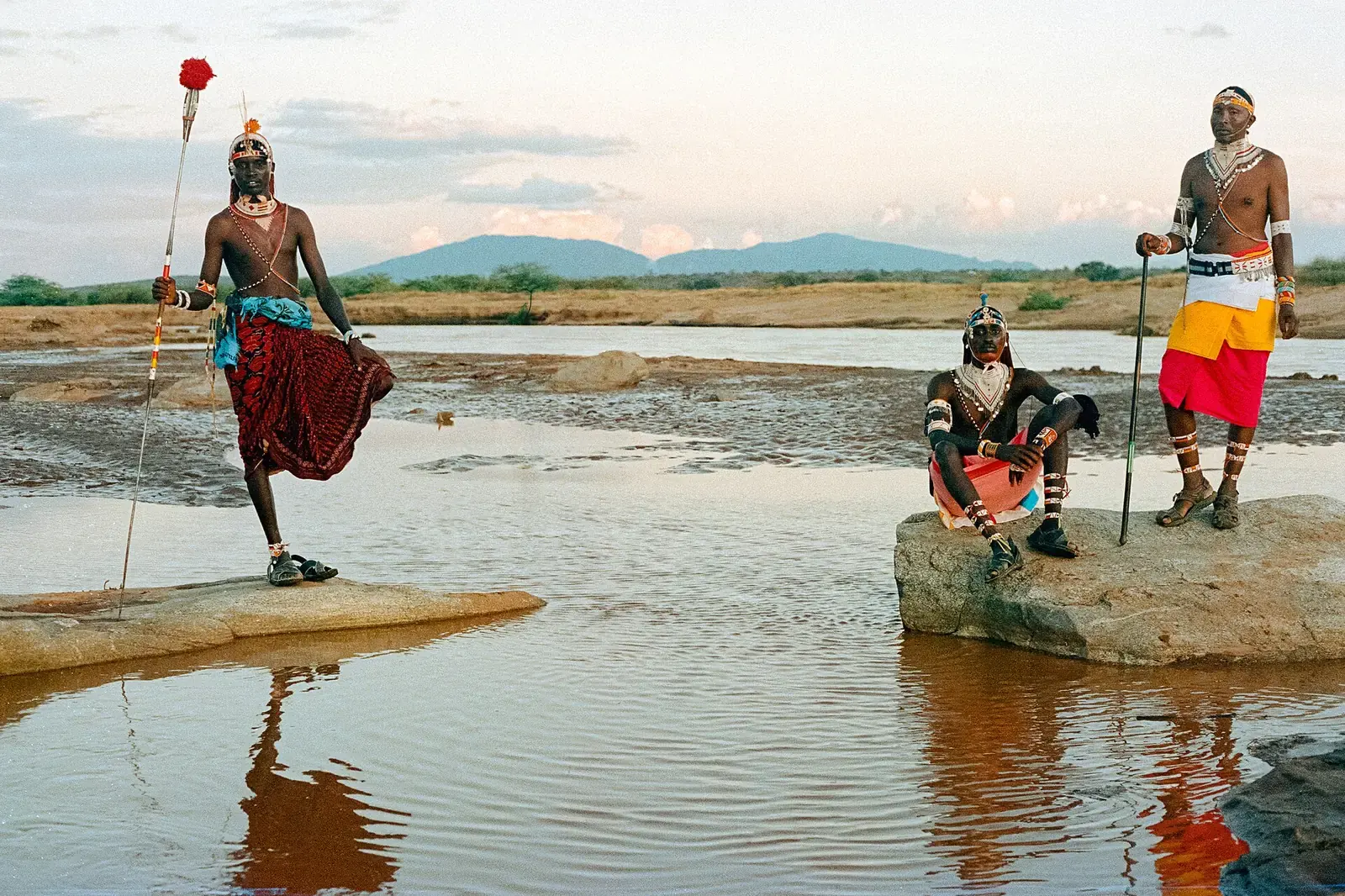 6 photosSamburu
Kenya
Herders related to the Maasai, organised into age sets; moran warriors and loibonok diviners.
Read the profile →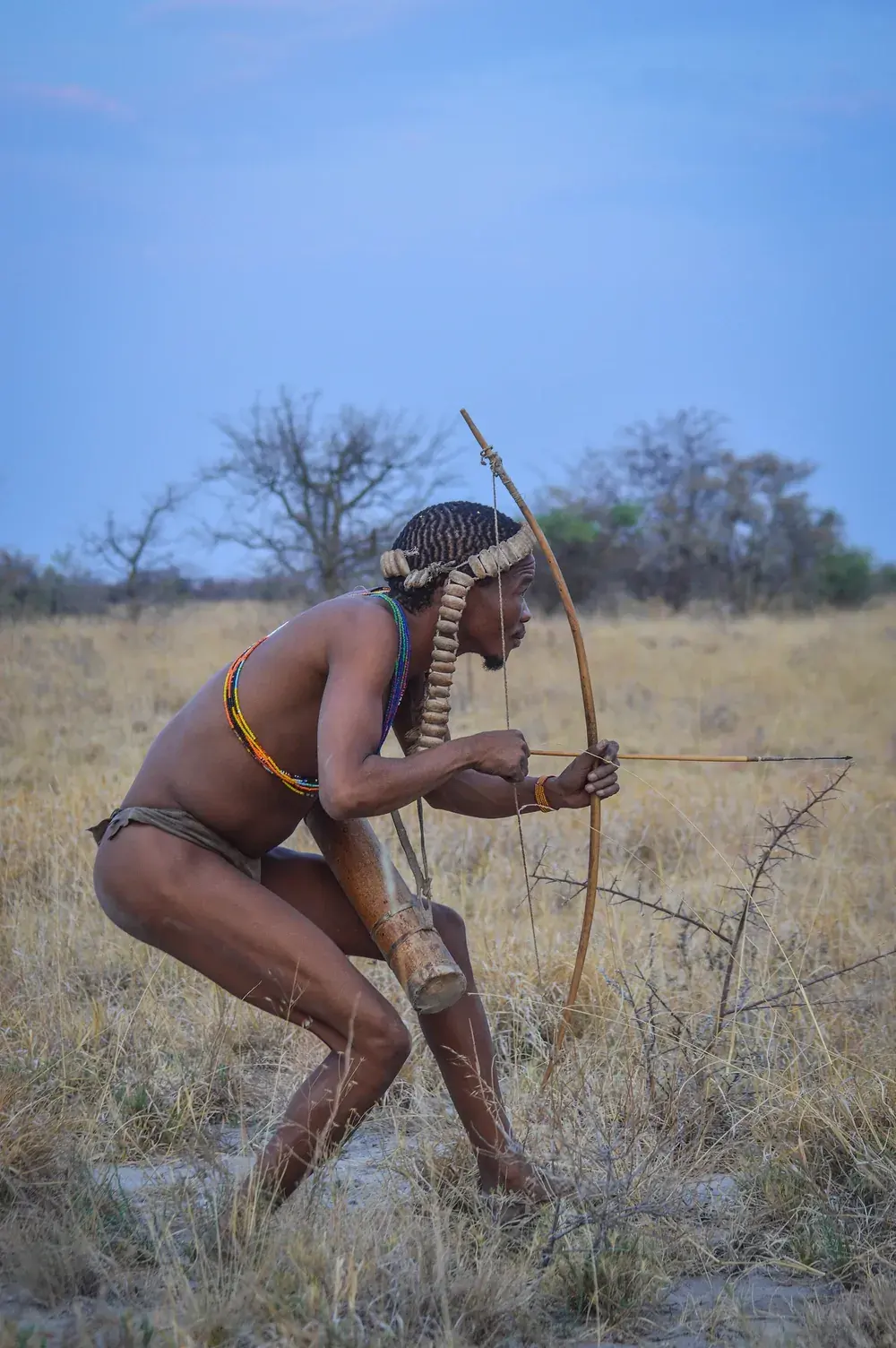 4 photosSan
Botswana, Namibia, South Africa, Angola
San / Basarwa (Ju|'hoansi, G|ui, G||ana, Naro, ǂKhomani, !Xun, Khwe, Hai||om)
Heirs to Africa's oldest cultural continuity (Tsodilo: 4,500 rock paintings, 100,000 years of occupation).
Read the profile →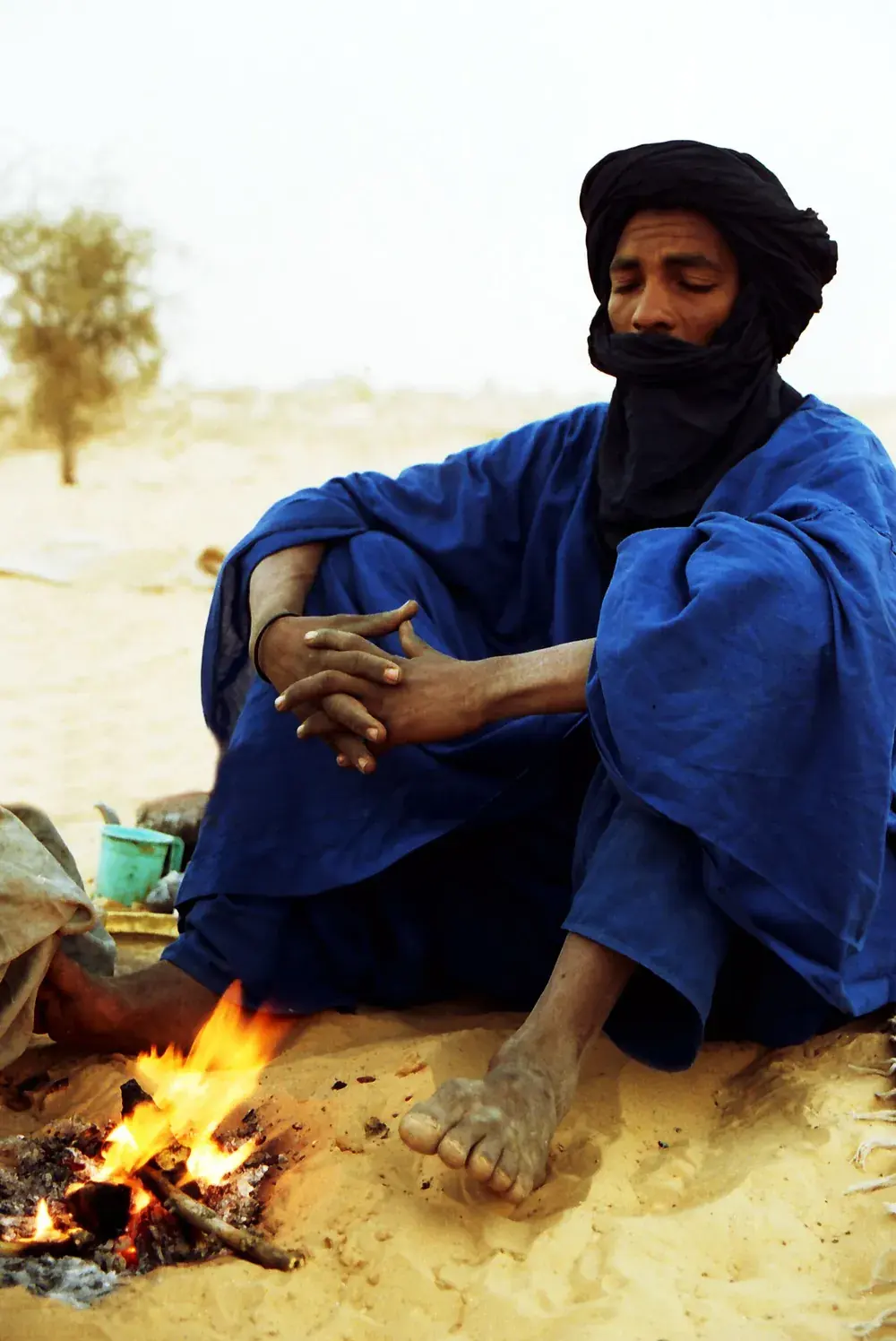 6 photosTouareg
Niger, Mali, Burkina Faso, Algeria, Libya
Touareg (Kel Tamasheq)
Camel-herding nomads of the Sahara, a stratified society, matrilineal succession of chiefs, men's veil (tagelmust).
Read the profile →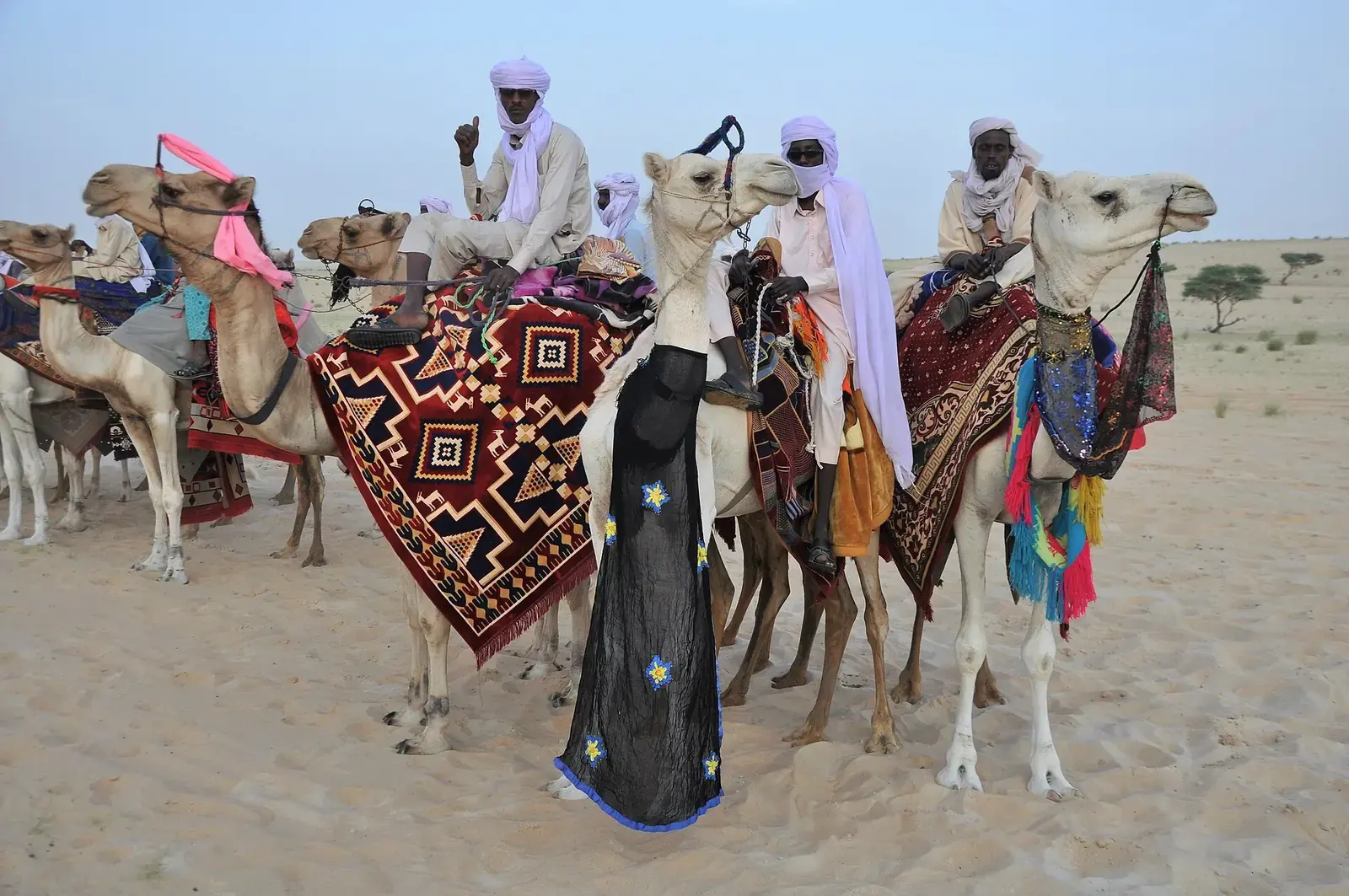 5 photosToubou
Chad, Niger, Libya
Toubou (Teda et Daza)
Camel herders and oasis dwellers of the central Sahara; clans holding wells and pastures.
Read the profile →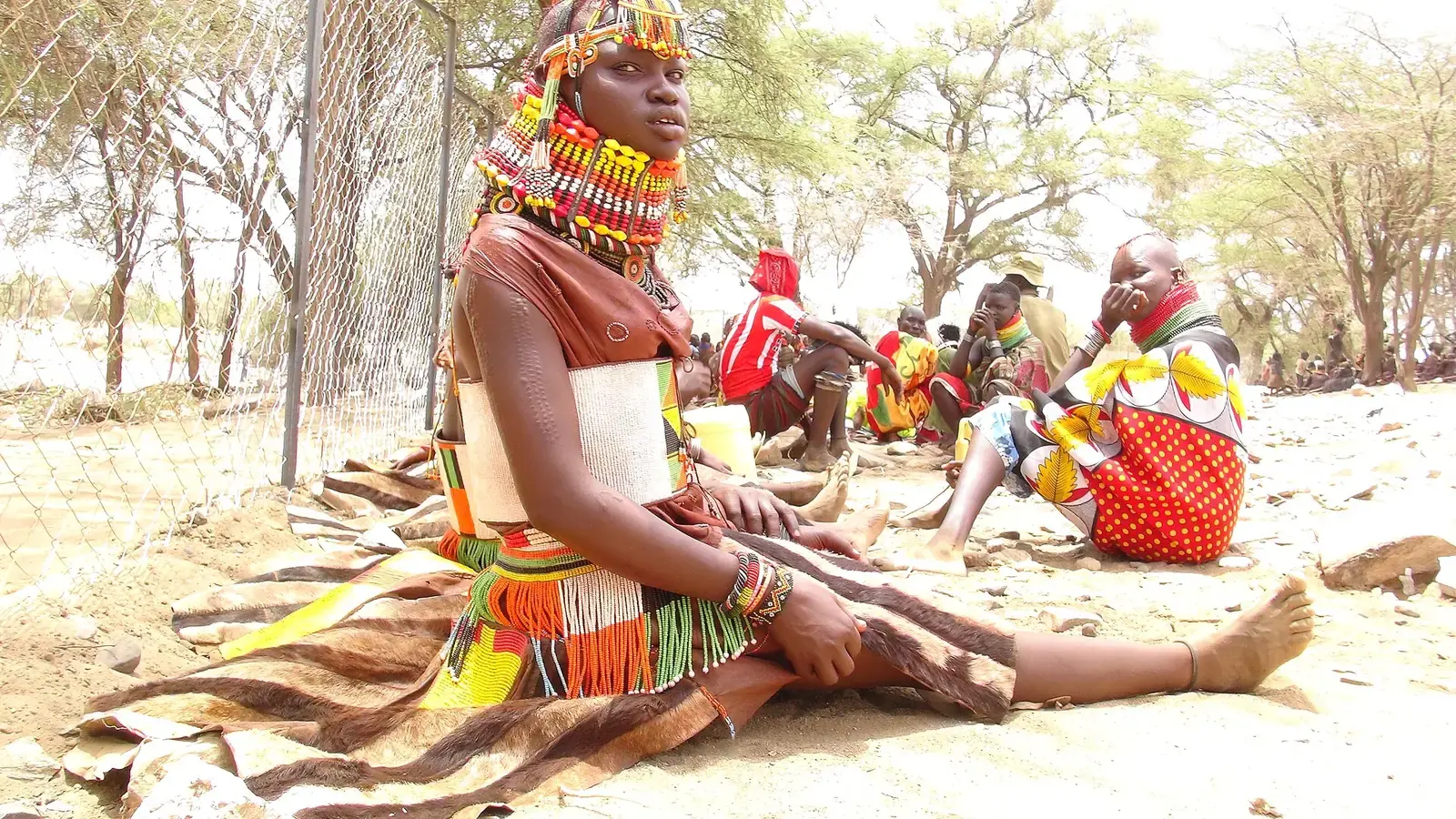 5 photosTurkana
Kenya
Herders of camels, cattle and goats in north-western Kenya.
Read the profile →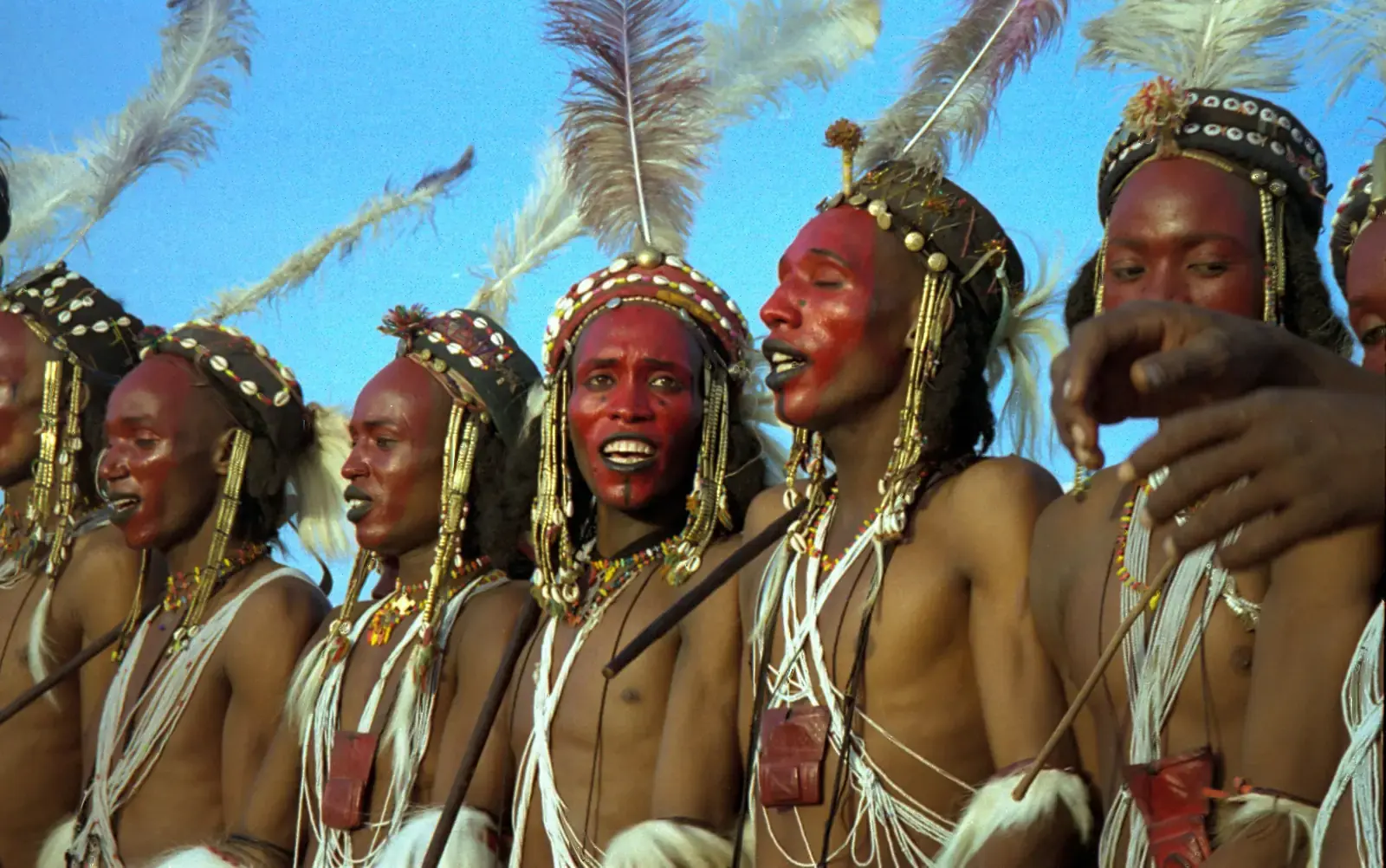 5 photosWodaabe
Niger, Chad, Nigeria, Cameroon
Wodaabe / Bororo
The most nomadic Fulani subgroup, zebu herders of the Nigerien Sahel.
Read the profile →
Join the community
Stories, a map of places, discussions and a library: it all happens in the OPAF app, with a free account.