Ways of life
Five lessons these peoples offer the world
By the OPAF editorial team2 min read
From the forests of Cameroon to the Kalahari desert, the same ideas come back. They are not only about survival: they offer another way of living on Earth.
Indigenous peoples are often presented as victims in need of protection. That is true, and it is incomplete. From one end of the continent to the other, behind very different cosmologies, five principles keep returning. For CED, they are at the heart of its advocacy: these peoples carry models of relating to the living world that the world needs.
1. Land is a relative, not property
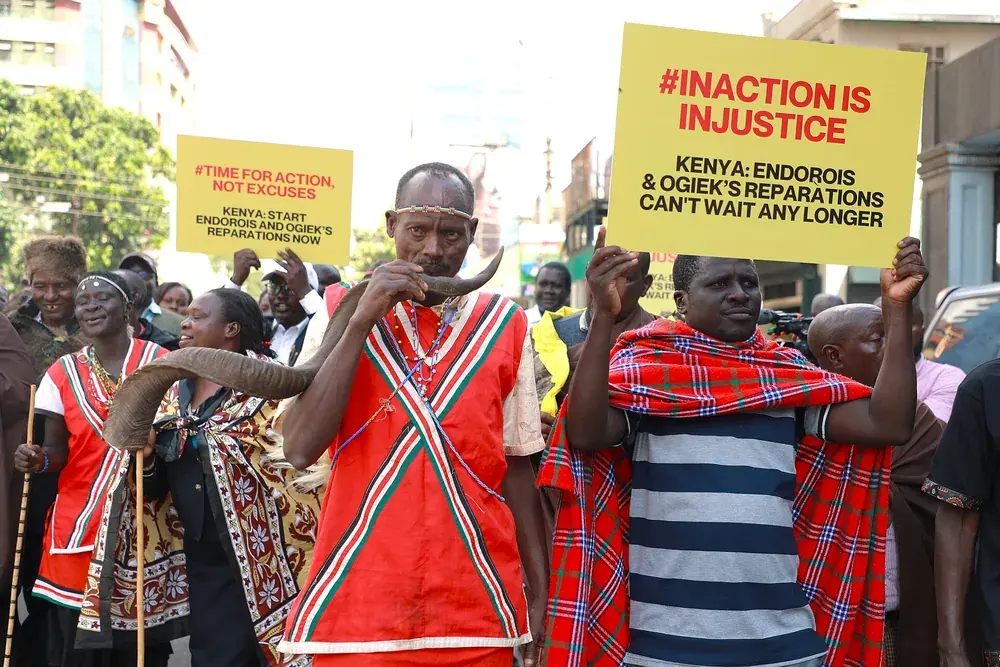
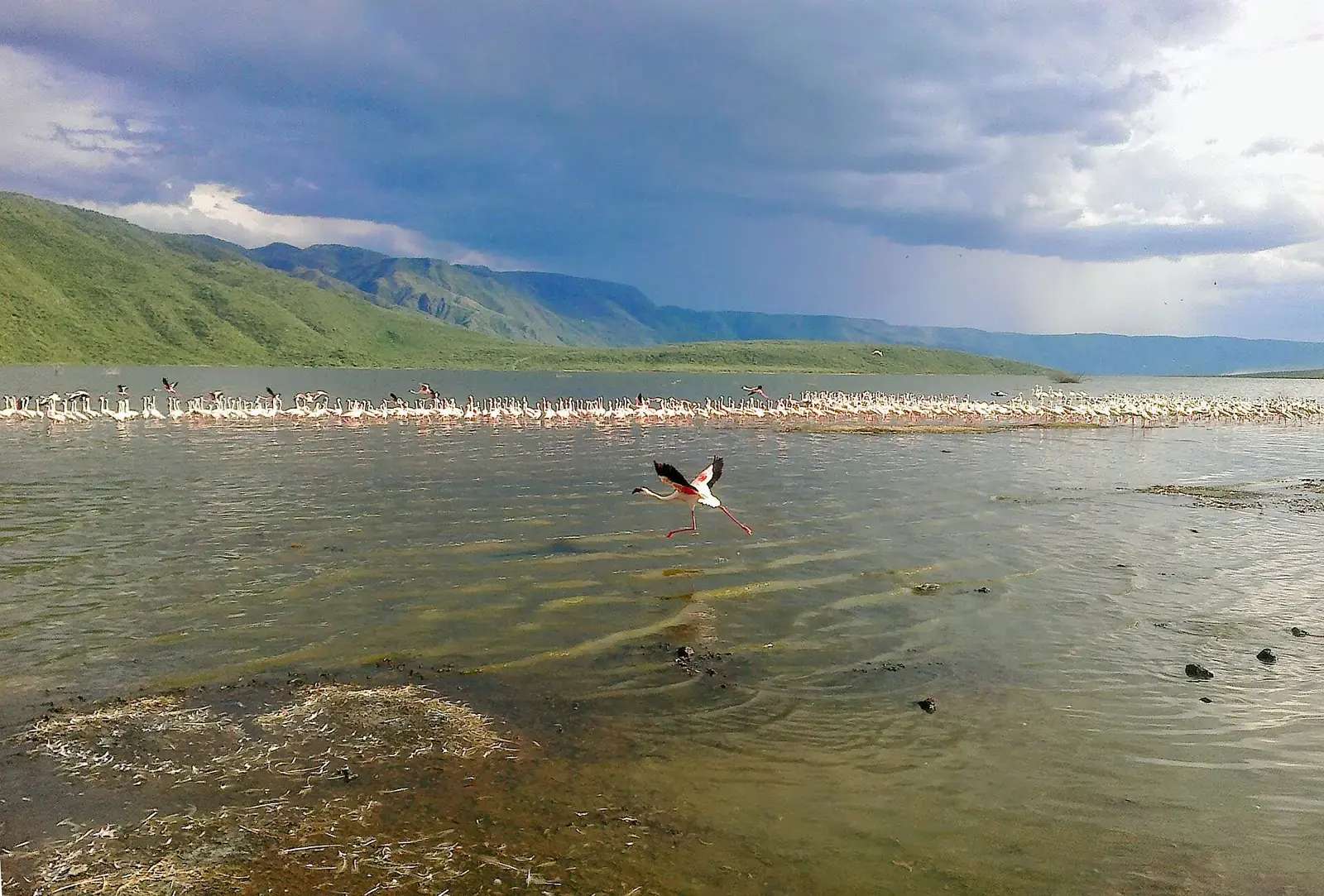
No one owns the forest, the desert or the lake: you are part of it, and you answer for it. Collective use comes before individual title. You can see it in Jengi, the forest spirit of the Baka, in Lake Bogoria of the Endorois, in the sacred fire of the Himba and the Tsodilo Hills.
2. Sharing is the law
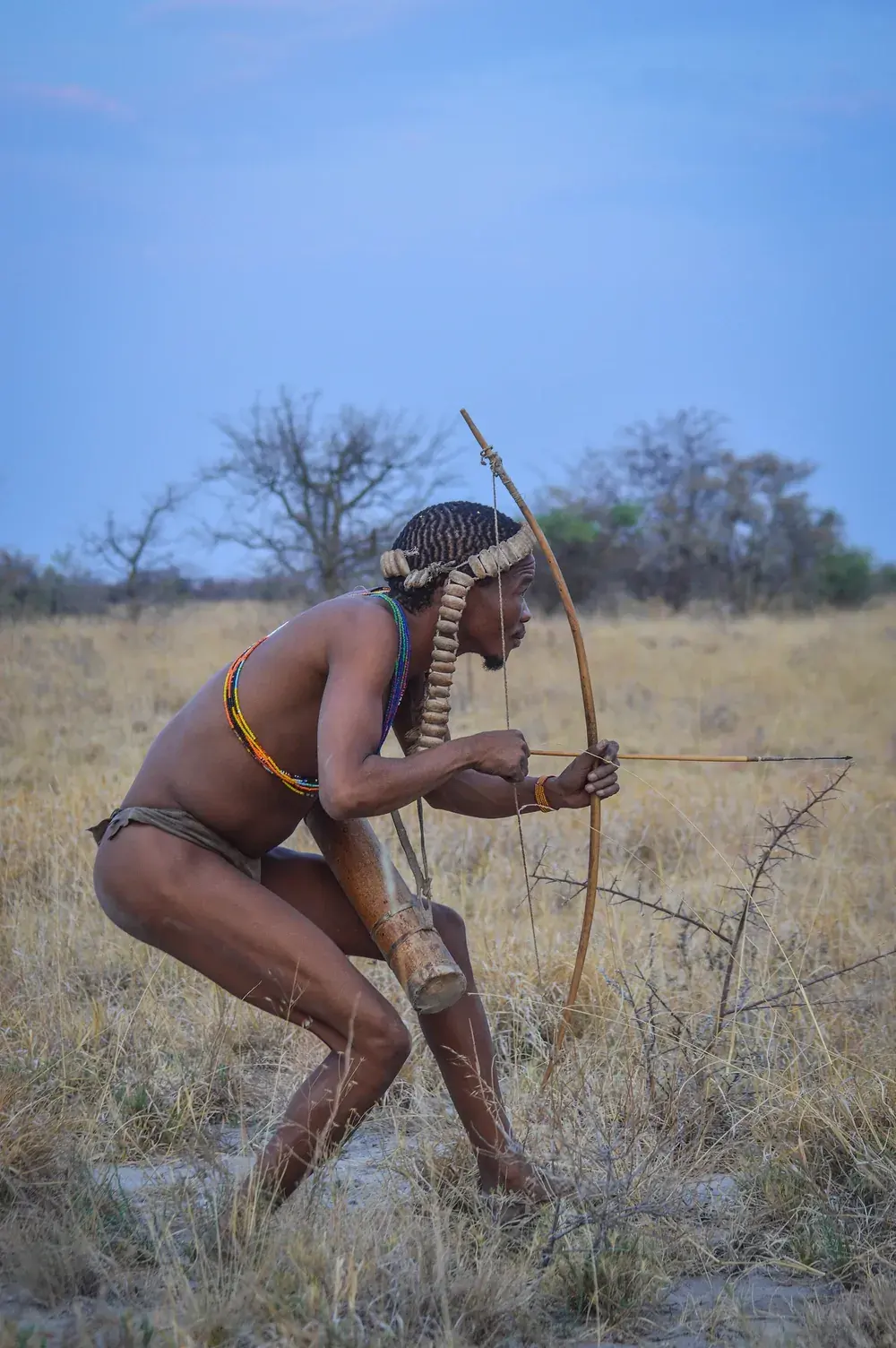
Meat, honey and milk circulate according to strict rules. Hoarding is shameful, and the gift returned later is what keeps everyone safe. It is the hxaro of the San, the demand sharing of the Baka and Hadzabe, Fulani and Tuareg hospitality.
Hoarding is shameful. Giving is how you make sure no one faces hunger alone.
3. Equality and consensus
No hereditary chief and no state: decisions are made in assembly, and humour keeps pride in check. Among herders, age sets organise community life. The Borana gadaa provides for a democratic handover every eight years; the Amazigh tajmaât gathers the village; among the Toubou, the derde arbitrates without ruling.
4. Mobility as wisdom
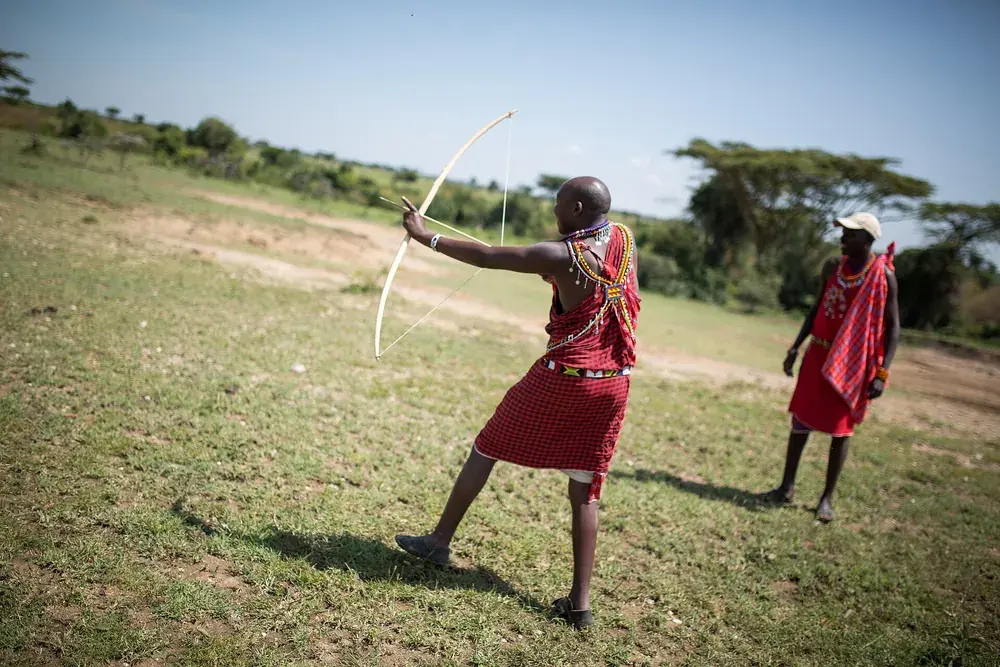
Moving with the seasons, the game, the grass or the water means exhausting nothing. Borders are an idea imported from elsewhere. Fulani and Maasai transhumance, Tuareg and Toubou nomadism, the seasonal camps of the Baka: everywhere, movement protects the land.
5. Song as an archive
Knowledge is passed on through song, dance, storytelling and initiation. These are not pastimes, they are institutions. UNESCO has recognised it for Aka polyphonies (2003), Amazigh ahellil (2008) and the Tuareg imzad (2013).
Knowledge that matters now
Indigenous territories are among the best-preserved forests of the Congo Basin. In 2024, the African Commission called the Batwa “the best guardians of biodiversity”. Herders read the clouds and the grasses, the San follow water beneath the sand, the Baka know the fruiting cycles of hundreds of species. Hindou Oumarou Ibrahim, a Mbororo woman from Chad, carries this knowledge into the fight against climate change.
These philosophies are neither frozen nor “primitive”. The Baka farm, the Maasai run conservancies, the Amazigh write in Tifinagh. The point is not to preserve living museums, but to let these peoples choose the pace and shape of their own change.